


Transportation
Boston ceded its fourth-place spot in a 2025 ranking of U.S. cities with the most traffic congestion, though not for lack of trying.
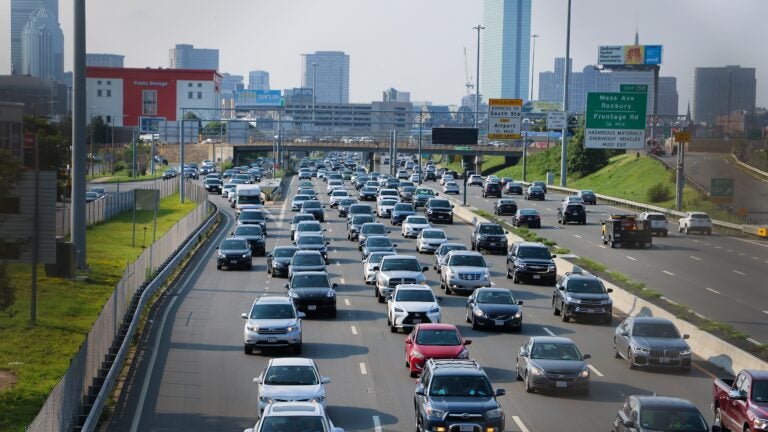
In something of a Pyrrhic victory for Boston drivers, the city improved its standing in a 2025 ranking of the most congested urban areas — even as the average Bostonian spent a whopping 83 hours languishing in traffic.
Boston traffic now ranks fifth worst in the U.S. and 12th in the world, according to the latest Global Traffic Scorecard from transportation analytics company INRIX. While the city’s global standing remains unchanged from 2024, Boston managed to drop from last year’s fourth-place spot among U.S. cities.
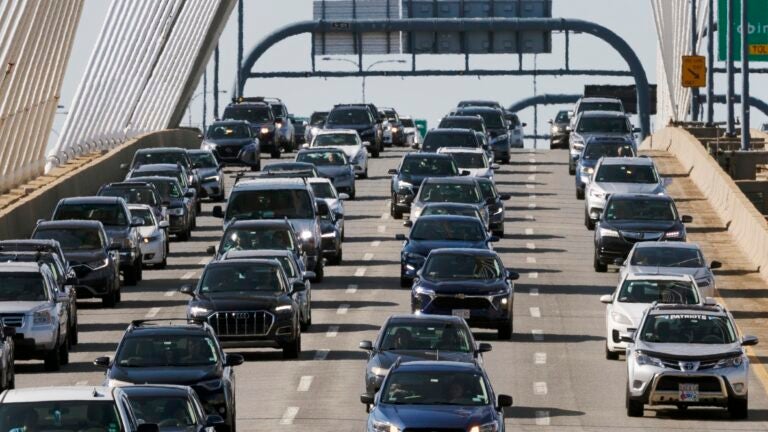
Compared to last year, INRIX found that Boston drivers lost an additional four hours to traffic jams in 2025, costing about $1,529 per driver. Those 83 hours would be more than enough to log two full-time workweeks, or to watch the entire extended-cut “Lord of the Rings” trilogy seven times over — with minutes to spare.
Still, Boston has seen worse; the average driver lost 134 hours to traffic in 2022, making Boston the fourth-worst city in the world for congestion. That was a slight improvement over 2019, when Boston commuters lost more than 149 hours to traffic and INRIX crowned the city the worst in the country for the second year running.
This year, I-93 southbound got a nod as the eighth-busiest corridor in the U.S., specifically the stretch from Causeway Street to Pilgrim’s Highway. That’s an improvement over 2024, when the same span of highway ranked second-busiest in the nation.
Nationwide, however, U.S. cities largely saw traffic congestion increase in 2025, INRIX said in a press release Monday. Moreover, while the percentage of people commuting by car is nearly back to pre-pandemic levels, U.S. public transit is still down 22% from 2019, according to INRIX.
There is, however, one bright spot: U.S. traffic fatalities have declined, returning to pre-COVID levels following a four-year spike, the company reported.
On the other hand, U.S. cities will face yet another traffic challenge next year as the World Cup arrives in North America.
“With the games will come massive amounts of traffic and fans from across the globe, unaccustomed to those cities’ transportation systems,” INRIX noted, adding, “The World Cup games will be a true test of how well cities are able to address congestion.”

Extra News Alerts
Get breaking updates as they happen.

