


How To
John Paul, AAA Northeast’s Car Doctor, hears from a reader considering an oil change on the first anniversary of their SUV’s purchase.
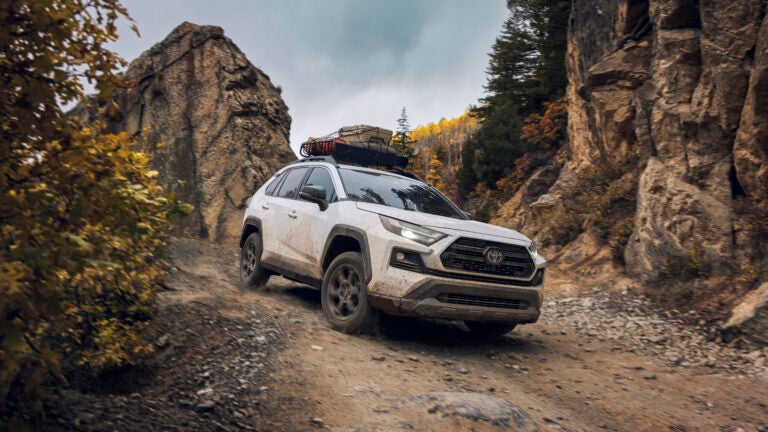
Q. I own a 2024 Toyota RAV4 with 9,800 miles. Should I get the oil changed now? The car is one year old. Or should I wait until the oil reminder comes on?
A. Based on manufacturers’ recommendations, it is always wise to get an annual oil change regardless of low mileage. With some vehicles it can be every six months and even every three months, depending on how the vehicle is driven. Whenever in doubt, consult the owner’s manual.
Q. I have a 2019 Subaru Forester with just over 100,000 miles. Lately the tire pressure light comes on after driving for about 10 minutes. The information display shows the tires are all in the correct range. Our local mechanic checked the sensors and said that they are all working ok. What might the problem be?
A. At this point it may be worth clearing any codes and then driving the car over 40 mph for about 30 minutes to see if there are fault codes with the tire pressure system. There are 10 possible codes. Possible issues can be sensors, wiring, the computer itself, or parts aging out. The most common issue (besides low air pressure) is a weak battery in one of the sensors that only acts up after a longer drive.
Q. I just purchased an electric car and so far I am very happy with it. When it comes to winter driving is there anything I need to do differently that I did with my gas car?
A. Electric cars can see range diminished with cold weather. Preconditioning both the cabin and battery can help extend range. Depending on the type of heater, using the seat heater to stay warm rather than the car’s climate control system can help with cold weather range. If you rely on public charging, you may find that in extreme cold, public stations are busy. When it comes to driving in the winter, electric cars have instant power, so go easy on the accelerator in slippery conditions. If you drive in wintery conditions often, consider all-weather or even dedicated winter tires for the best winter driving experience.
Q. I recently brought my 2019 Toyota Camry XLE into my local Toyota Dealer for a 40,000-mile going over. They replaced front brakes and brake fluid, replaced engine oil, and I asked for a transmission fluid change. Rather than change the fluid they flushed the transmission before installing new fluid. I’ve read it is not recommended to flush the transmission. The service manager told me this was what Toyota recommends, and the transmission is covered by a one-year warranty which he put in writing. Should I just forget about it even though I feel after one year I may have problems with the transmission because of the flushing of the fluid?
A. Toyota considers the transmission fluid a “lifetime” fill. I don’t think at six years and 40,000 miles you will have any issues due to a fluid flush as long as Toyota fluid was used as a replacement.
Q. I’m looking to purchase a used 2021 Chevy Silverado 1500 RST. The truck has the 6.2-liter engine and has 27,000 miles. The truck is at a Chevy dealership and comes with a 2-year 20,000 mile warranty. I heard the 5.3 and the 6.2 engines have lifter, camshaft, and bearing issues. I would like your expert opinion on this matter.
A. It is no secret that General Motors is having issues with this engine. Everything from oil consumption to “loss of engine propulsion.” This is a polite way of saying the engine fails. The first fixes had to do with increasing the engine oil viscosity. To me that does not seem like a long-term fix. As much as I like driving Chevrolet and GMC trucks, until the engine issues get fully sorted out, I would look for something else.
Q. This year, since it will be too chilly for convertible enjoyment during the winter months, I’ve decided to allow my 2006 Lexus SC 430 to rest for a few months. Is there anything special I need to do to prepare the car for its down time, or do I need to make sure I run it every now and then?
A. Fill the fuel tank and add a gas stabilizer (Stabil is my choice). Air up the tires. They will lose a little air over time. Keep the battery charged. A battery maintainer is a good idea. Clean and wax the car to protect the finish. Even in a garage a car cover is a good idea. Put the car away with a fresh oil change and a check of all the vital fluids. If possible, driving the car (not just starting it) every three weeks is a great way to keep everything moving. Personally I enjoy an occasional top-down drive (heated seats are nice) on a clear winter day. To me it does away with winter blues.
John Paul is AAA Northeast’s Car Doctor. He has over 40 years of experience in the automotive business and is an ASE-certified master technician. E-mail your Car Doctor question to [email protected]. Listen to the Car Doctor podcast at johnfpaul.podbean.com.
Sign up for the Today newsletter
Get everything you need to know to start your day, delivered right to your inbox every morning.

