


Real Estate
An addition can dramatically change how people live and works in their existing property.
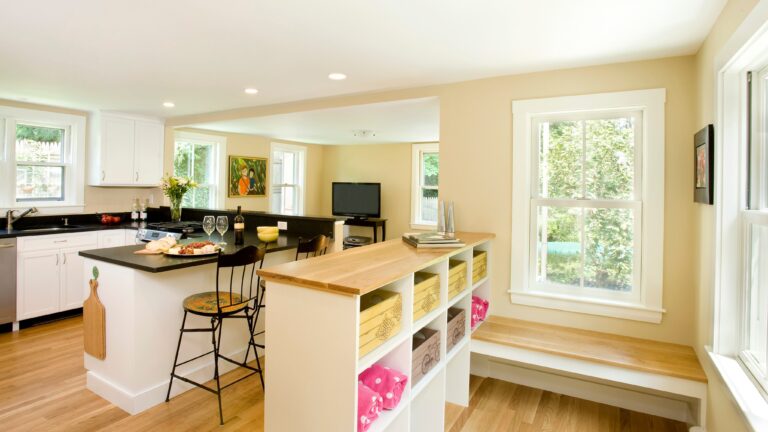
Heading into 2026, we are seeing more calls for additions to homes. Talking to peers at various trade association events, that trend seems to be carrying through across the region. A couple of factors may be at play.
First, the cost of housing in Massachusetts continues to go up. We have clients who have looked at property in the city or town where they live, but simply can’t afford what is coming onto the market. Instead, they are considering using the considerable equity they have built up with those soaring real estate valuations in recent years. Many of these people can invest money into their properties and still have equity left after a major remodel and addition. Interest rates remain high, but are thought to be stabilizing in the coming year, and for that reason many clients are using a combination of savings and equity loans to finance a remodel.
Another reason for the uptick in additions is the relaxing of zoning laws in many cities and towns that have made it easier to add space to your home. (In the past, many local communities required a variance from the local zoning board to make an addition to an existing home. This could be an onerous and costly undertaking, and there is always the chance that after all that work, the variance isn’t approved and the plans have to be amended.)
This seems to be part of a statewide trend to increase the housing stock and address the steep cost of housing. These relaxed zoning laws allow multifamily homes to be built on a site, or for an addition to be used as an accessory dwelling unit (ADU). Whichever way a homeowner utilizes the relaxed zoning laws tends to be a win.
Here are a few tips if you are considering an addition.
Put the right team together
You want to work with both an architect and a builder when designing and settling on a final plan. The architect is especially important here in terms of knowing local zoning laws. While zoning has been relaxed in many towns, there are still myriad regulations regarding property setbacks and height of buildings that need to be considered. Together with the builder, you can come up with a design that suits your budget and lifestyle while also breezing through the permitting process.
Consider your neighborhood
Additions should be in scale with the original house and ideally tie into the architectural detail of the existing home and the neighborhood. Town-by-town zoning laws also dictate how close homes can be to one another. If you are in a historical neighborhood, you will run into local historical committees that must approve exterior details of the addition you are planning. Your architect and builder can help you navigate these waters.
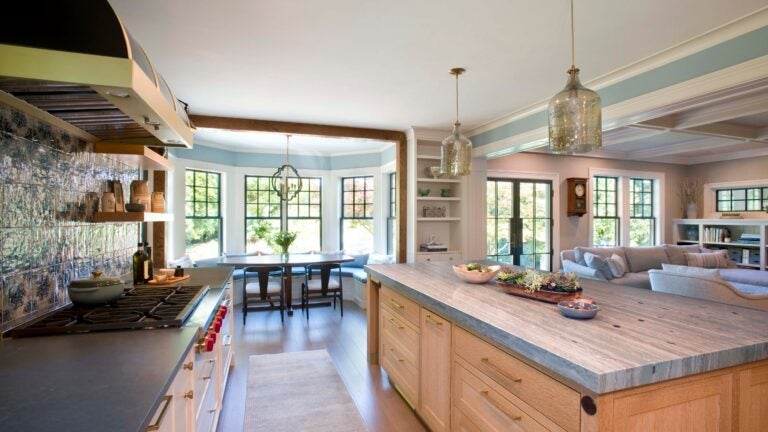
Think of the utilities
These are things the builder will help you with. Depending on the size of the addition and how it will be used (i.e., if it has a kitchen or bathroom), you may need an upgraded electrical service. This is especially true nowadays since we are using more and more electric heat pumps for new addition spaces rather than upgrading boilers and furnaces. Modern kitchens and baths need more circuits than before, which can put a strain on existing electrical service.
A large-scale remodel with an addition is a daunting task — far more complicated than a typical interior remodel — but it opens up a whole world of possibilities and can dramatically change how a person lives and works in their existing home. With the right team in place, you can have your dream home and never leave your neighborhood.
Mark Philben is the project development manager at Charlie Allen Renovations in Cambridge. Send your questions to [email protected]. Questions are subject to editing. Subscribe to the Globe’s free real estate newsletter — our weekly digest on buying, selling, and design — at Boston.com/address-newsletter.
Address Newsletter
Our weekly digest on buying, selling, and design, with expert advice and insider neighborhood knowledge.

