Weather
Snowstorms that approach 2 feet are quite rare in Boston, with only six storms exceeding that mark.
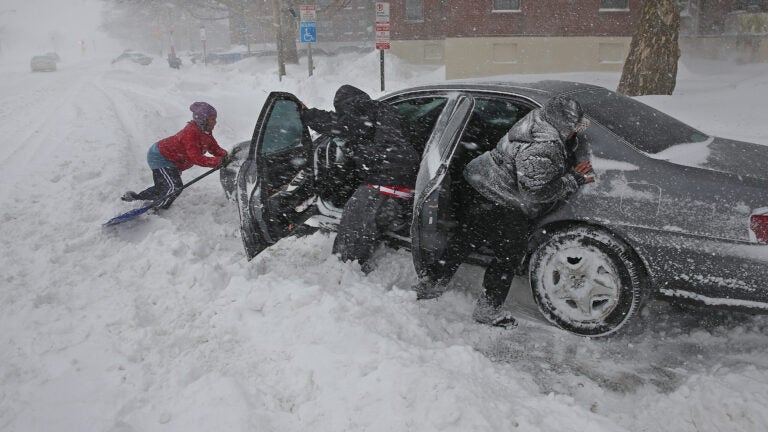
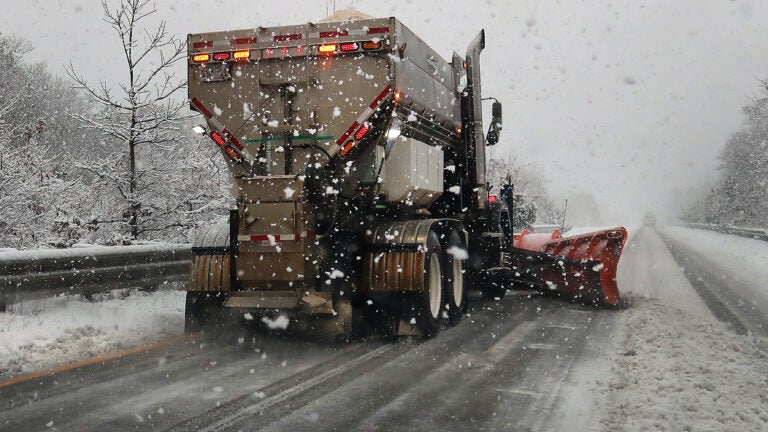
New Englanders are feeling the anticipation of a major snowstorm arriving on our doorstep very soon. Afterall, we’ve been in a snowstorm drought of sorts over the past four years, with the last snowstorm delivering more than 6 inches occurring in February 2022. Interestingly enough, one of our top seven largest snowstorms also occurred that year — nearly 24 inches of snow in January 2022.
Snowstorms that approach 2 feet are quite rare in Boston, with only six storms exceeding that mark and that seventh storm in 2022 being just shy.
The all-time record snowfall for Boston is the 27.6 inches that fell on Feb. 17-18, 2003. The Blizzard of ’78 is second, with 27.1 inches.
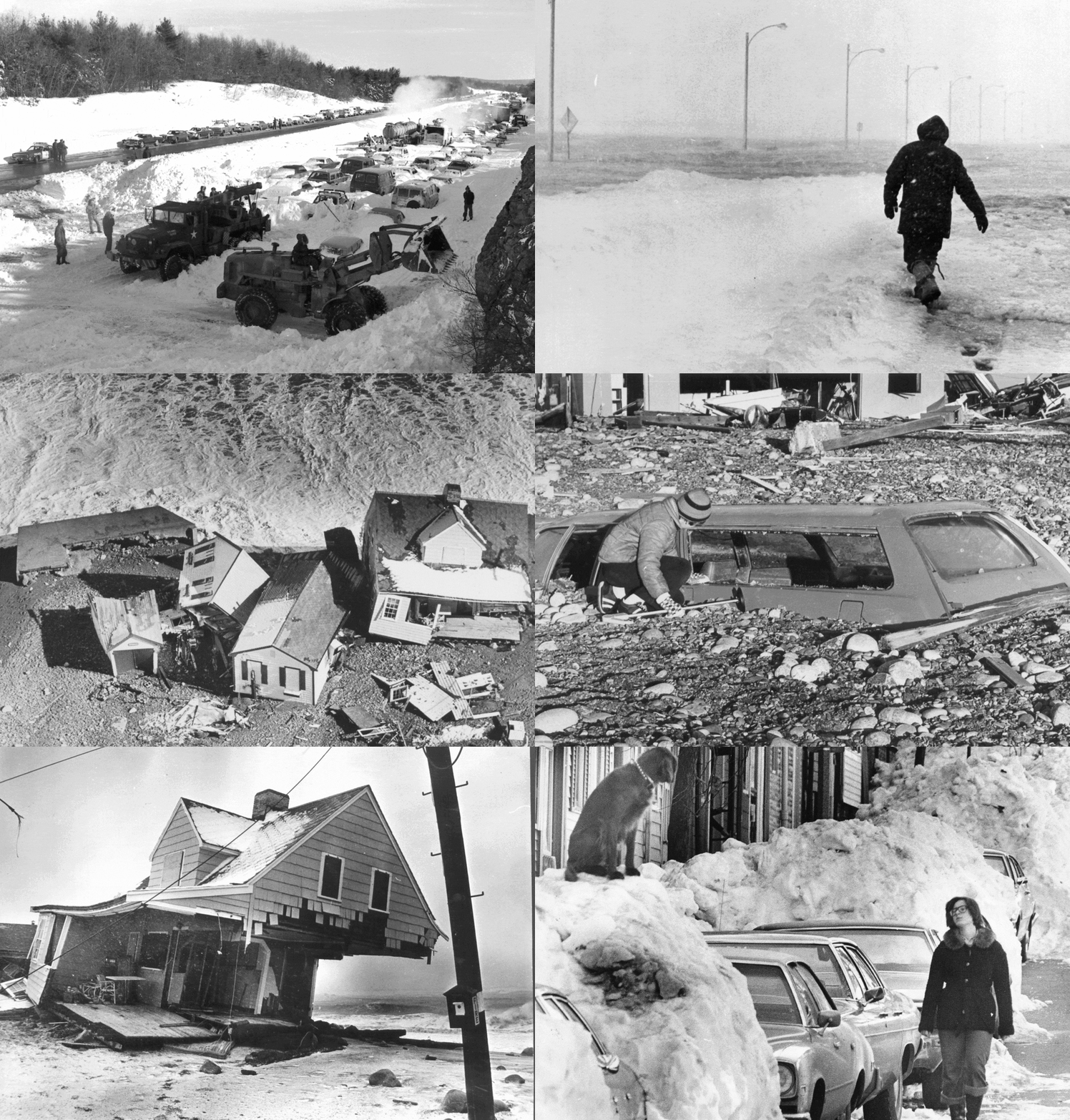
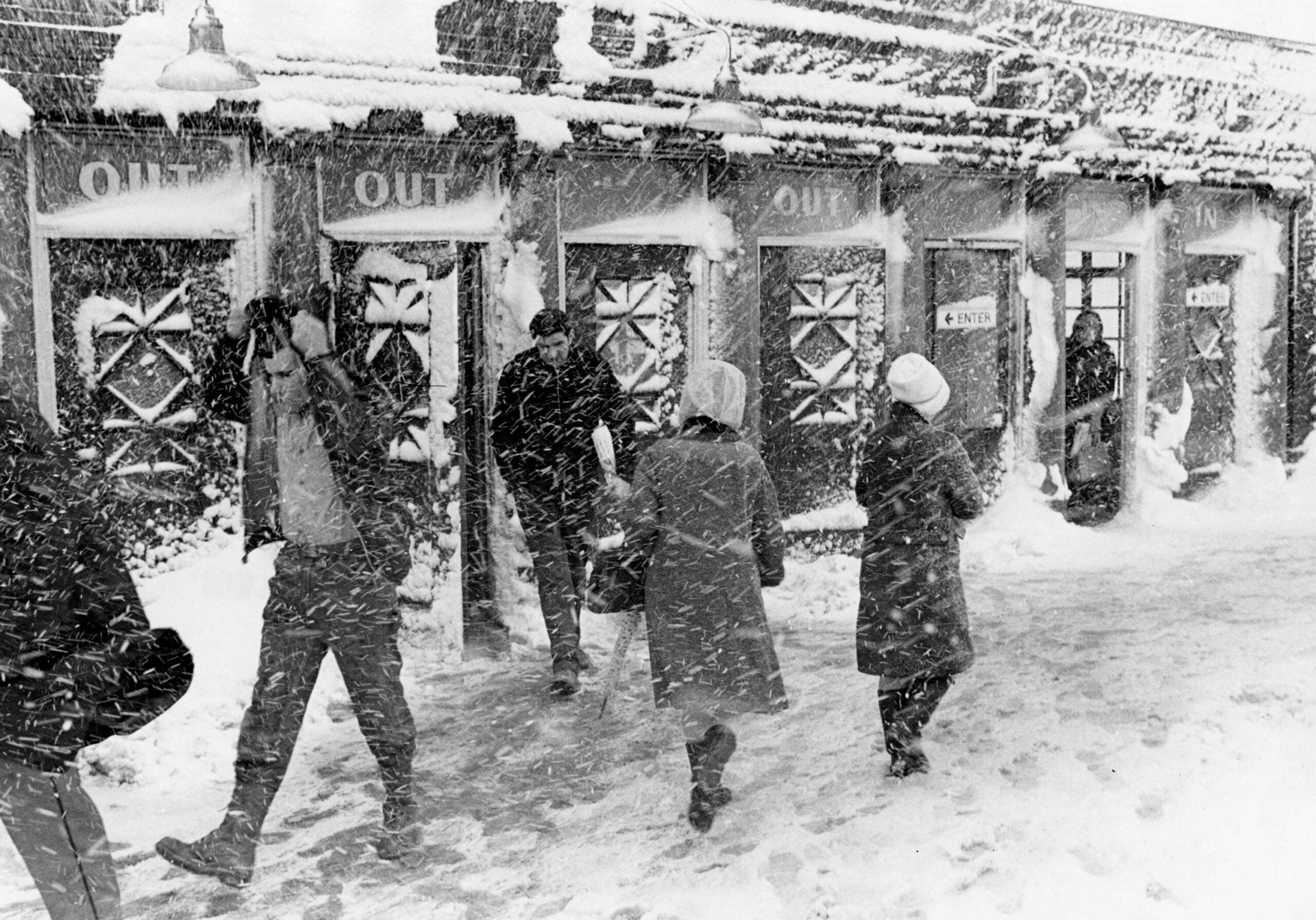
It takes a lot to get 2 feet of snow. For one thing, it needs to snow quite hard for an extended period of time. Alternatively, it could snow at various intensities for an extended time, such as when the third-largest snowstorm hit Boston back in February 1969. That storm is sometimes called the “100-hour storm” because of how long the snowfall lasted from start to finish.
All these big snowstorms also required copious amounts of moisture from the Atlantic.
Of the top seven storms, the historic Blizzard of ’78 produced the most damage and is probably the most memorable for those who experienced it. That’s because the deadly storm, which unloaded more than 2 feet of snow on Boston, brought multiple severe high tides, with homes literally falling into the sea, stranded countless motorists, and caused widespread power outages.
By contrast, the largest snowstorm in February 2003, also known as the Presidents’ Day storm, lasting from Feb. 17-18, brought a record 27.6 inches of snow to Logan Airport. Blizzard warnings were issued, but coastal flooding was not a major concern. Schools were also closed because of Presidents’ Day, so the impact was significantly less than it would have been had the storm occurred during the middle of the week.
It’s worth noting that sometimes our biggest snowstorms don’t occur during our snowiest months. The snowiest January on record, for example, was 2005 with a whopping 43.3 inches of snow. There was one big storm that month that dumped over 20 inches of snow in the Boston area, and several smaller ones, all adding up to 3½ feet.
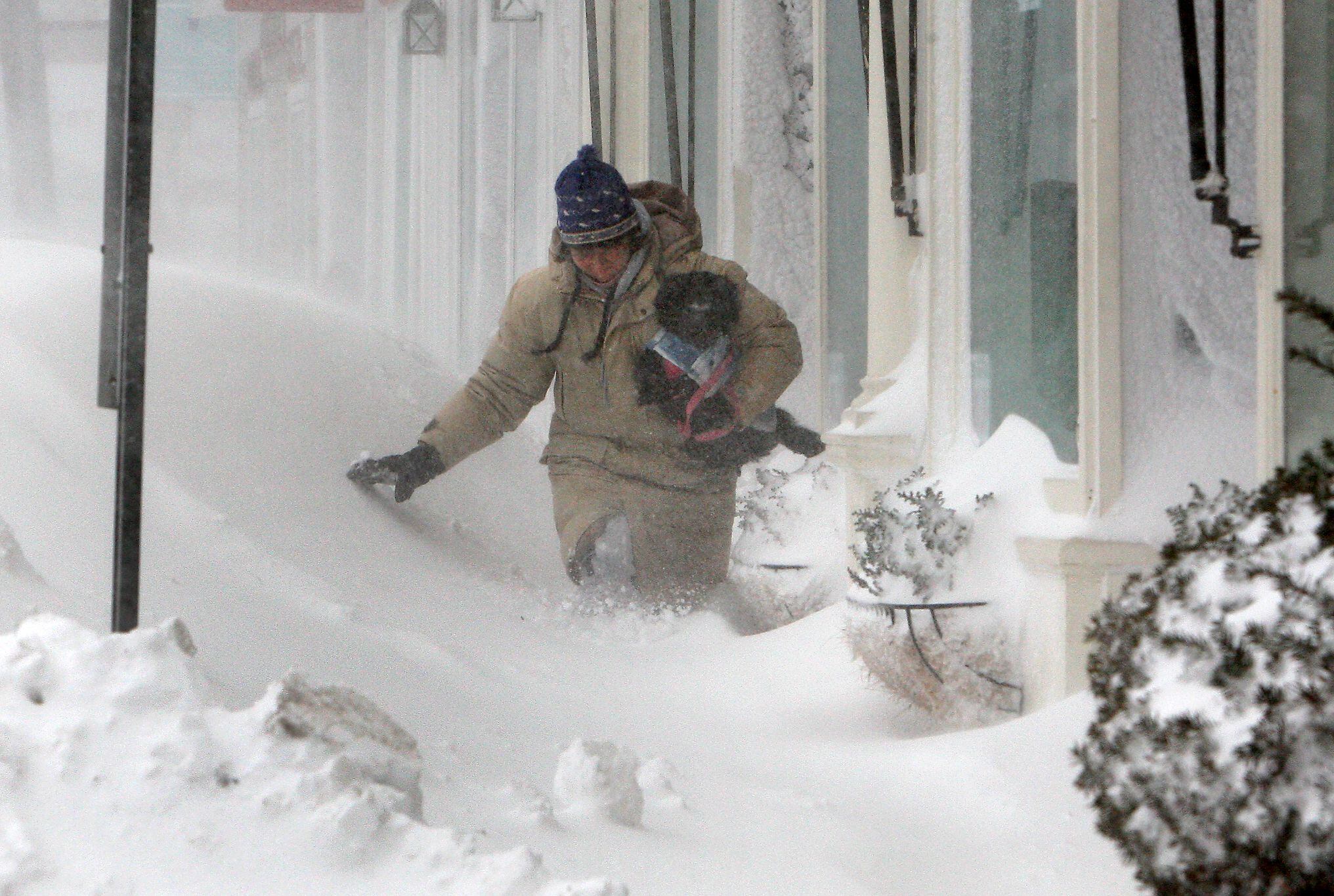
Finally, who could forget February 2015, when 64.8 inches of snow fell, the snowiest month on record in Boston by over 20 inches! That month saw 16 days of measurable snow, three of which brought over a foot. Actually, starting in January of that year, one after the other, a series of unrelenting storms turned into massive snow machines, dumping round after round of accumulating snow. When all was said and done, that epic 2014-15 winter brought 110 inches of snow to the city, the snowiest winter on record and perhaps a once-in-a-lifetime event.
– John Blanding
So the snowstorm drought is about to come to a crashing end this weekend. Whether or not we get into a snowy pattern for the rest of this winter and beyond is still a bit of a question, but enjoy the snowstorm ahead, it should be a good one.
Join Globe lead meteorologist Ken Mahan and an expert panel of top weather and climate science leaders on Jan. 29 for an in-depth discussion on New England’s changing seasons and how climate change has transformed our region’s landscape. The free event will take place at 6 p.m. at the New England Aquarium. Sign up here.