


Restaurants
It was another rocky year for Boston restaurants in 2025, but there’s much to look forward to next year.
The year 2025 was full of highs and lows for Greater Boston restaurants. More restaurants were able to get liquor licenses (yay!), tariffs and rising costs were real plights for small businesses (boo!), and the Michelin Guide came to Boston (time will tell on that one).
Then the usual happened: Restaurants opened and closed.
Heading into another new year after a handful of years of chaos, I imagine many in the industry are holding their breath. There is plenty to look forward to in Boston, but so much could go wrong.
My predictions for what to expect next year lean more positive than how I and many others truly feel most days, but when it comes to my top joy in life, dining out, I’ll choose to be hopeful.
More global flavors and heritage cooking
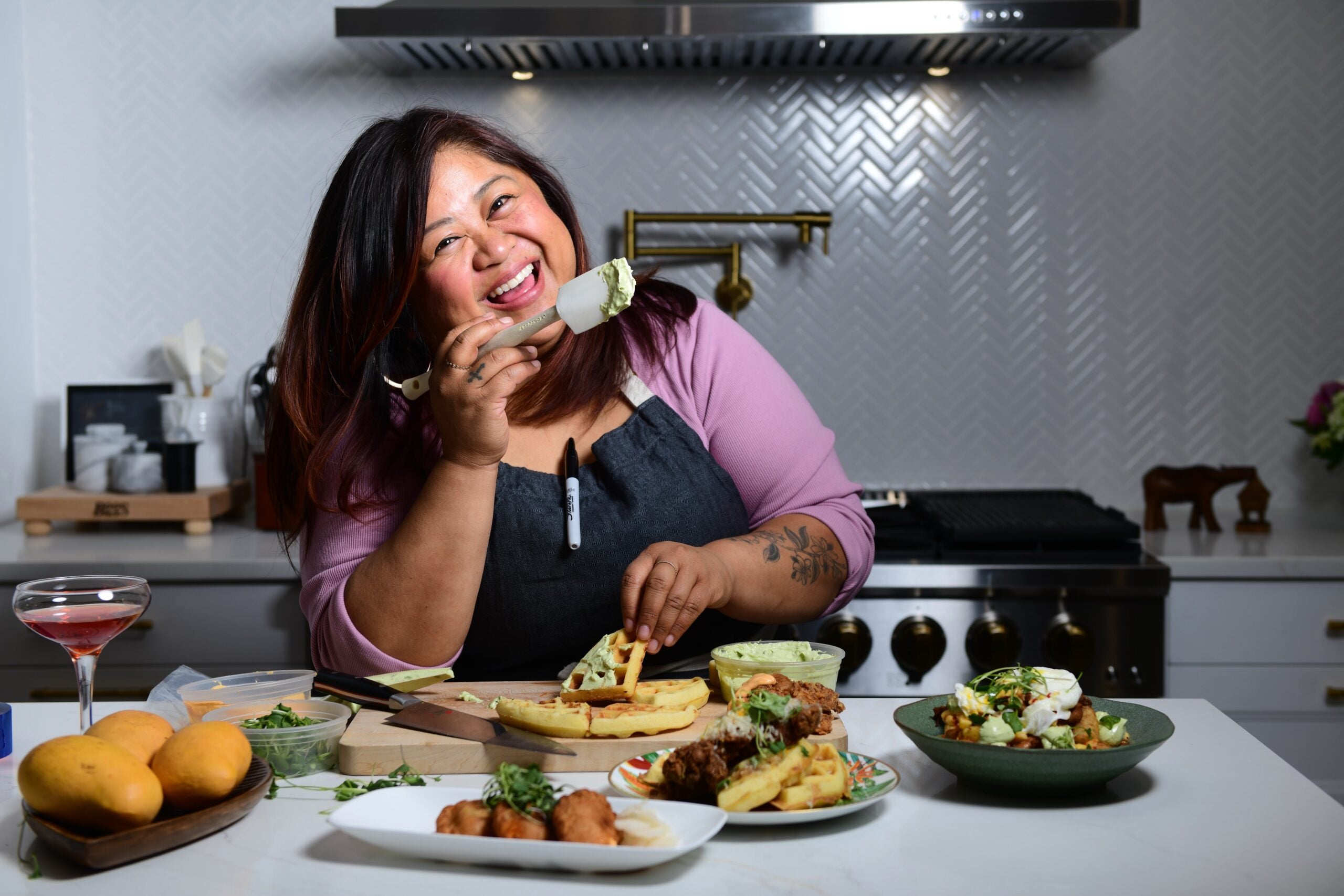
This particular prediction is one that everyone — from diners missing their mother’s cooking to chefs wanting to showcase their heritage — will benefit from in Boston’s dining scene.
We’ve already seen signs of a willingness from diners to try new foods, and at the same time, chefs of different backgrounds are taking risks and opening up concepts that go beyond Boston’s reputation as a steakhouse town.
I wrote about this very idea when it comes to the growing Asian culinary scene in Boston, but we’re already aware of more global cuisine to come in the near year, like Ama (from the Comfort Kitchen team) and George Mendes’ two Portuguese-inspired concepts.
Super niche bakeries
Another trend I wrote about in 2025 was the rise of niche bakeries. Well, what if they got even more specialized?
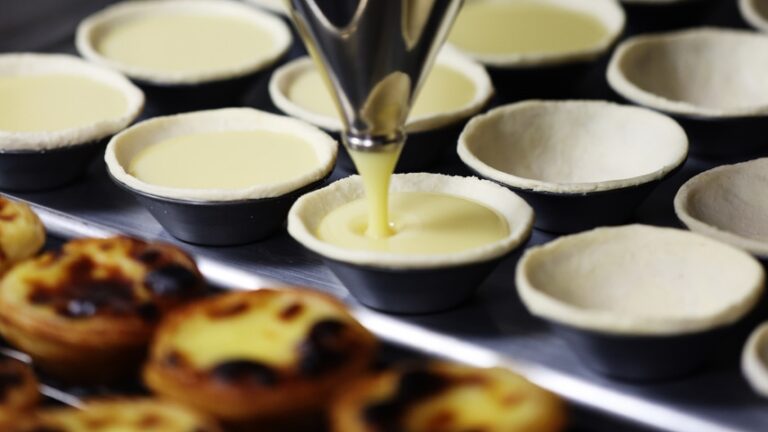
I’m not just talking about cookie or croissant shops — we have plenty of those. I’ve begun to notice it with some concepts that have opened, like one bakery that cooks only one item, the pastel de nata. When I spoke to the owner of Flake Bakery, Cristina Quintino said she only intends on making this one item, the Portuguese egg tart.
A new addition to Bow Market, Bakery Oma, has cookies and cakes on its menu, but the bakery’s main item is the queen puff, offered in rotating flavors. And bakeries aren’t just specializing in baked goods, but also flavors, like Korean-influenced sweet treats at Nine Winters Bakery.
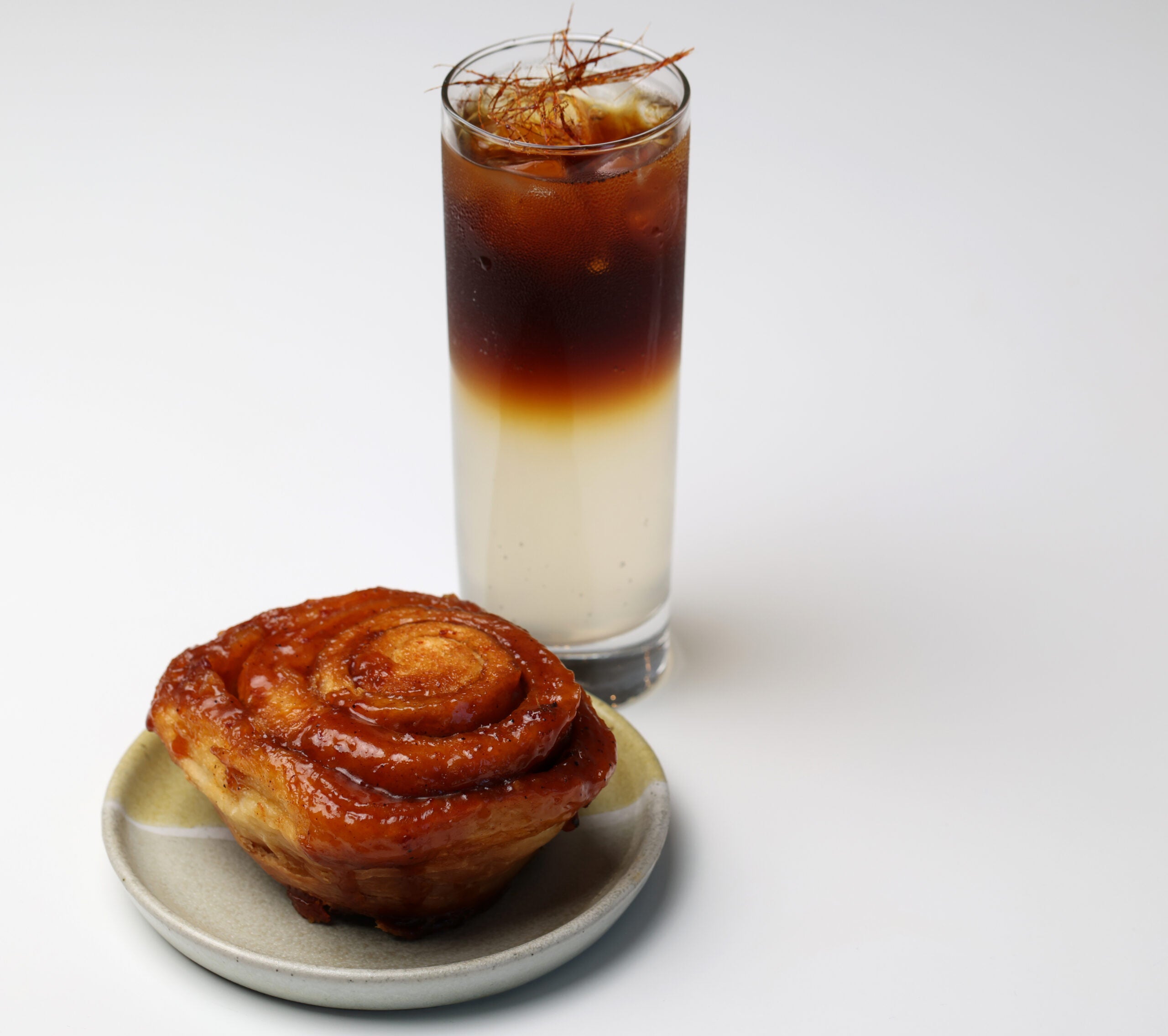
There are so many more examples, and it shows that Boston is in for a sweet year. Also, I’d love to manifest into existence a cinnamon roll specialty bakery. This would make 8-year-old Katelyn very happy.
More indulgent comfort
Are we headed toward a recession? Are we already in one? I can’t answer that, I’m a food reporter, not an economist!
But what I can say is that when people are unsure about the economy, they spend less on big meals and put their money instead toward those smaller food purchases — after all, a matcha latte float with ube soft-serve and chocolate drizzle for $10 feels, in the moment, like a better spend than a $60 steak.
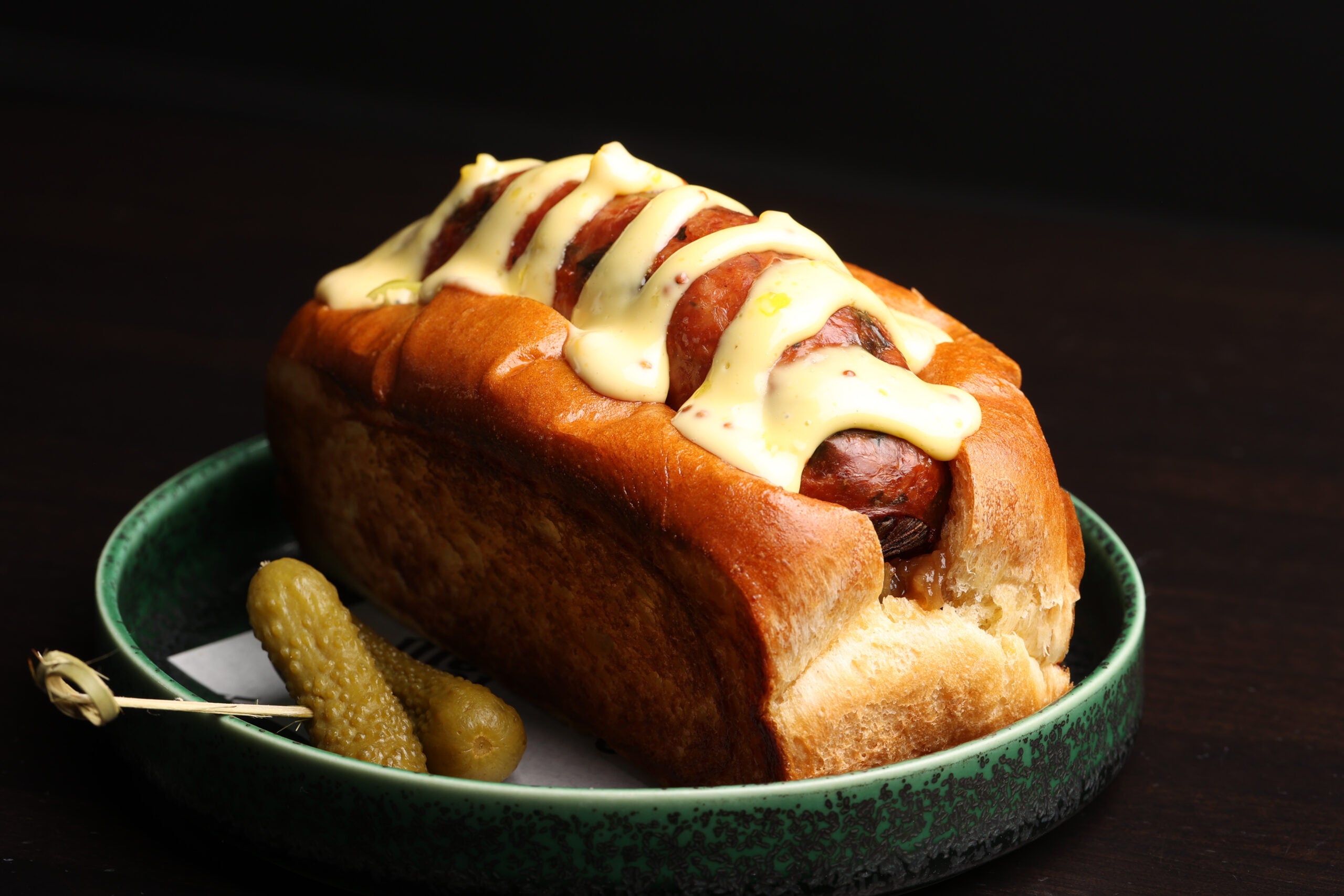
Pricing aside, people just want to have fun. People want a chef’s creative take on a hot dog (like at Merai) or pizza (too many options to name). Later in the year, neighborhood spot The Hollows opened with a menu of zany twists on comfort food, like chop suey topped with bone marrow. I think we could see more existing restaurants luring in customers with little treats or elevated comfort foods, and new restaurants will open with a menu of indulgent snacks as well.

More conversations about costs
Diners complain about restaurant prices while restaurant owners face the same steep food costs that consumers do. Restaurant owners complain that diners don’t understand, all the while food insecurity is a real issue that’s worsening in our country. Personally, it feels trivial to complain about $30 meals at mid-tier restaurants when an increasing amount of people can’t afford to dine out in the first place, including the people who make our food.
But dining out likely won’t get any cheaper, which means both sides of the aisle — diners and restaurant management — have to make choices.
I’ve been noticing some restaurants promote more economically-feasible programs, like Buenas offering discounts if customers pay in cash, or $25 meal deals at FiDo Pizza.
Others in the industry are also getting pretty candid or transparent about what they’re up against when it comes to their food costs and other expenses, and hoping that resonates with customers. Nightshade Noodle Bar management has made announcements about changes a couple of times this year, putting cheaper tasting courses on the menu but cutting the most expensive options.
We should absolutely be having more honest discussions about the cost of food, labor, doing business in Greater Boston, and how that impacts our independently-operating restaurants.
Fewer slop bowls
Chain restaurants like Chipotle and Sweetgreen — known for their bowl dishes that combine protein, vegetables, and grains — are seeing declining traffic and fewer transactions, especially from young consumers who complain that they’re paying too much for “slop” bowls.
Does this mean the end of flavorless lunch? Probably not, but I say good riddance anyway. Our lunch time is one of the only times we get to leave the office, so it should be spent taking a break with delicious food made by our neighbors and putting our money into a business that gives back to our community, not to big investors. Plus, it isn’t good food.
A favorite non-chain-bowl lunch of mine lately has been tacos from Villa Mexico Cafe, or when I’m working from home, Sugidama Soba & Izakaya for sushi.
Boston is a dining destination
We may have known all along that Boston’s restaurants are worth celebrating, but now others are talking about us, and that can only viewed as a win for our new year.
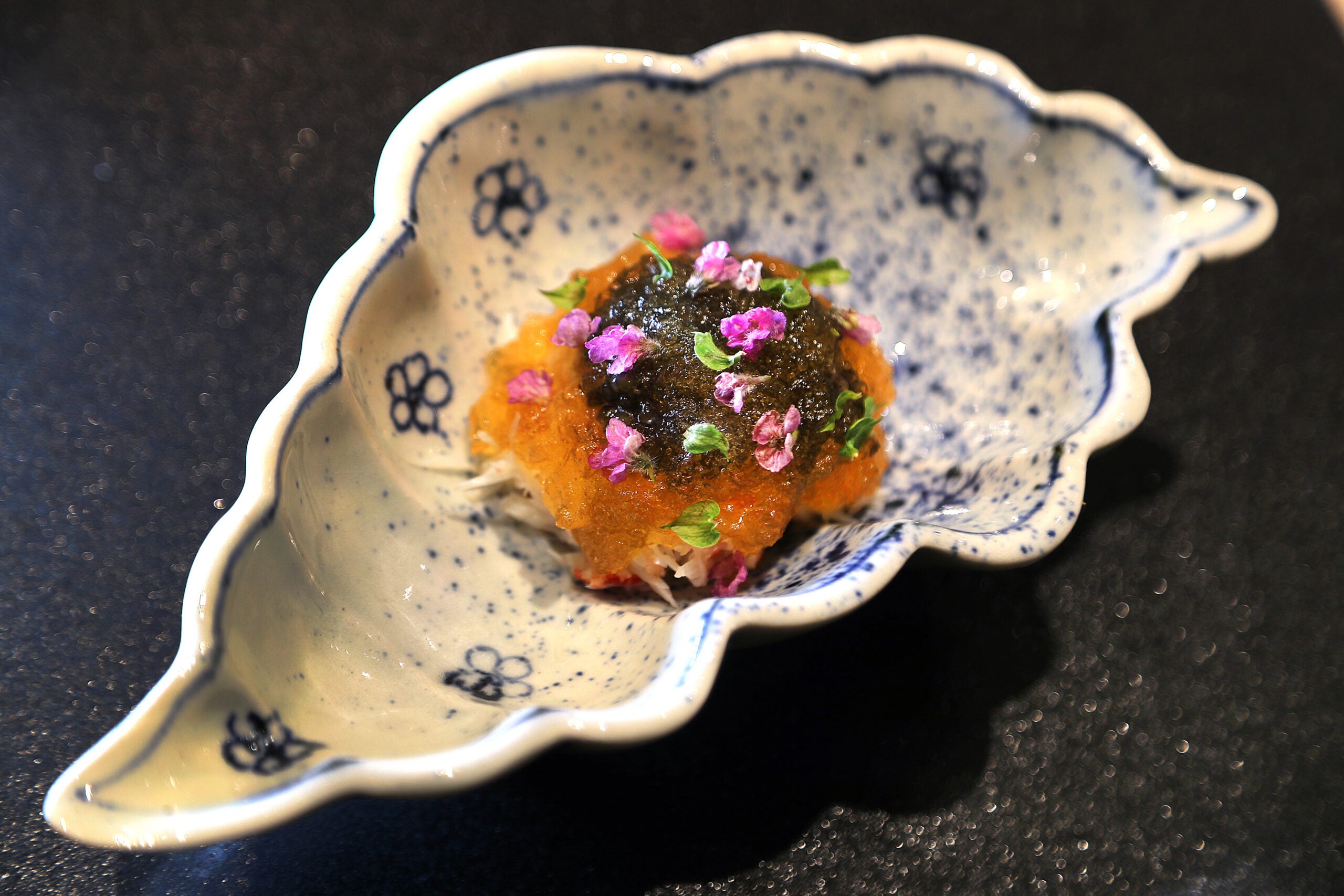
Our city has been written about in multiple publications as a top place to visit in the new year, including nods from U.S. News & World Report and Condé Nast Traveler. But Boston’s dining scene got a shout out from the London-based Condé Nast Traveller as one restaurant scene worthy of visiting, and 2025 also brought Boston its inaugural placement on the Michelin Guide.
With major events like the FIFA World Cup coming to Boston, it’s clear that Boston should expect an increase in visitors, and those visitors will need a place or two to eat. And though not all chefs are going to (or should) cook with just Michelin inspectors in mind, the pressure of the Guide now being here means we’re likely in for some exciting menu changes or even new concepts from ambitious chefs.

Sign up for The Dish
Stay up to date on the latest food and drink news from Boston.com.

