


Real Estate
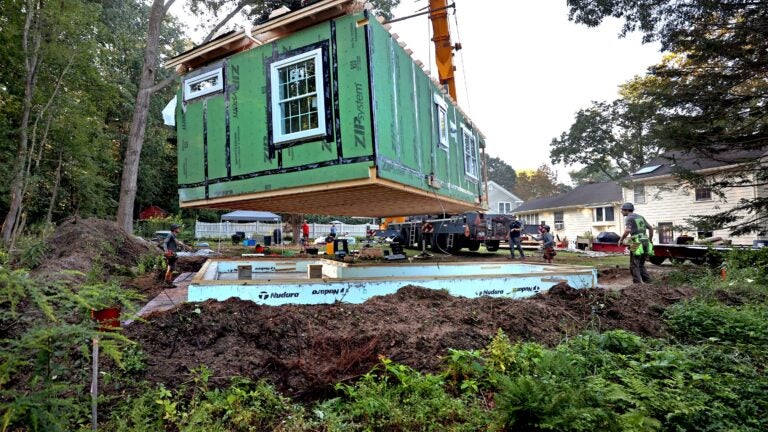
Following recent columns about ways to create more living space (additions, basement remodels etc.), I wanted to explore a topic that’s receiving a lot of attention lately: ADUs, or accessory dwelling units. In 2024, Massachusetts unveiled a program to allow for accessory dwelling units to be constructed on residential properties that are zoned for single-family residences across the state. It went into effect in 2025. Together with the MBTA Communities Act, which relaxes zoning restrictions along public transit routes, the hope is to increase the housing stock.
Benefits of the ADU program range from the potential to earn rental income to the opportunity to have a caregiver or elderly parent move onto the property. But there are some things to know before adding on to your property. Here are some of the basics:
What qualifies as an ADU?
- The ADU cannot exceed half of the existing home’s gross floor area or 900 square feet, whichever is smaller.
- The ADU needs to have a kitchen, bathroom, and its own means of entry and egress.
- The ADU must be built to current building codes.
3 Types of ADUs
Internal units: These are built entirely within the existing home’s footprint. More often than not, that’s a basement renovation that can take advantage of an existing doorway that may or may not be inside a bulkhead. In a case like this, you would remove the bulkhead cover and create a set of code-compliant stairs and a landing. The landing should have some type of drain and a drywell below to handle rainwater. Basement renovations are also cost-effective — if the right ceiling height is there — as the utilities are close by for plumbing and electrical, and the floor plan is easy to design.
Depending on the home, attic spaces can also be utilized for an internal unit. These are a little trickier due to ceiling heights and the separate entrance required for an ADU. Often, a dormer is needed to meet code-required head heights in an attic. A new set of stairs typically needs to be built to establish the required private entrance.
Internal ADUs are very common in urban areas and are the most cost-effective.
Attached units: An attached unit is essentially an addition to a house. This is where it gets tricky: Zoning laws have been relaxed to encourage ADU construction, but not thrown out completely. Local municipalities still exercise setback requirements, and these need to be understood before designing an attached unit.
Detached units: These are exactly what they sound like: a completely separate structure not connected to the main house in any way. These still need to comply with the square footage rules and any local setback requirements. These need a fairly large lot size, so they are more common in suburban or rural areas. They can be built on site or can be a small modular home brought to the site. There are currently a number of modular home companies that work within the parameters of the ADU program.
A detached unit is by far the trickiest and costliest option due in part to the utilities. Tying into an existing home’s utilities is one option; bringing all new electrical and plumbing from the main street line is a far costlier project.
Should I hire a professional to plan and implement an ADU?
By all means, yes. Building an ADU is definitely not a DIY project. For all the reasons listed above, these need to be carefully designed and executed. An architect can help navigate zoning laws and building codes. A licensed builder/remodeler will be able to navigate the permitting process, inspections, and all building department issues. A licensed builder will also have all the required licensed subcontractors needed to have the project move along smoothly.
Best of luck if you are considering an ADU. With state assistance, the right design/build team, and a committed owner, the ADU program can be a great benefit for the owner as well as for the community at large.
Mark Philben is the project development manager at Charlie Allen Renovations in Cambridge. Send your questions to [email protected]. Questions are subject to editing. Subscribe to the Globe’s free real estate newsletter — our weekly digest on buying, selling, and design — at Boston.com/address-newsletter.
Address Newsletter
Our weekly digest on buying, selling, and design, with expert advice and insider neighborhood knowledge.

