


Real Estate
The new year may reward those willing to look one town — or one state — farther than they originally planned.
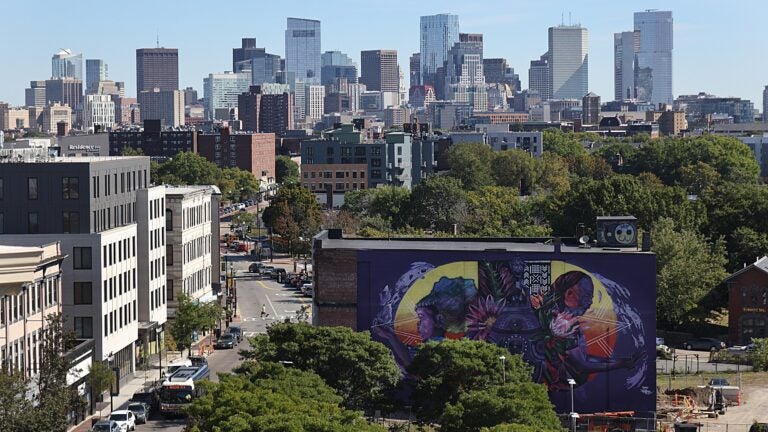
Suzanne Kreiter/Globe Staff
Five-plus years post-pandemic, the Greater Boston housing market is still a tough one. To understand where value may finally reappear in 2026, some of the region’s real estate agents weighed in on where they forecast the best opportunities for buyers in the new year.
Buyers have more options than they realize, they say — but only if they know where to look.
Inside Boston: Focus on neighborhood
Despite the popular (and mostly accurate) narrative that affordability is practically over in Boston, there is still some relative value to be had in 2026 inside city limits (of course, one shouldn’t get their hopes up for a discount on a Beacon Hill townhouse). Buyers who want the most bang for their buck should look in areas like Hyde Park, Roslindale, Dorchester, Mattapan, and parts of East Boston, according to Melvin A. Vieira Jr. of RE/Max Destiny.
“Look at the side streets versus the main drags — places where you still get strong transit access, schools, and community investment but without the downtown prices,” Vieira added.
For hidden gems, he points to the neighborhoods many buyers overlook until they compare prices: the commuter rail access of Mattapan, the historic architecture and sweat equity potential in Fort Hill and parts of Roxbury, and the ongoing transformation of markets like Chelsea, Everett, Quincy, Revere Beach, and Lynn.
But ultimately, he reminds buyers to think beyond the walls of the home.
“You’re not just buying the house; you’re buying the neighborhood, the daily experience, and the long-term investment,” Vieira said.
Neighborhood spotlight: Dorchester
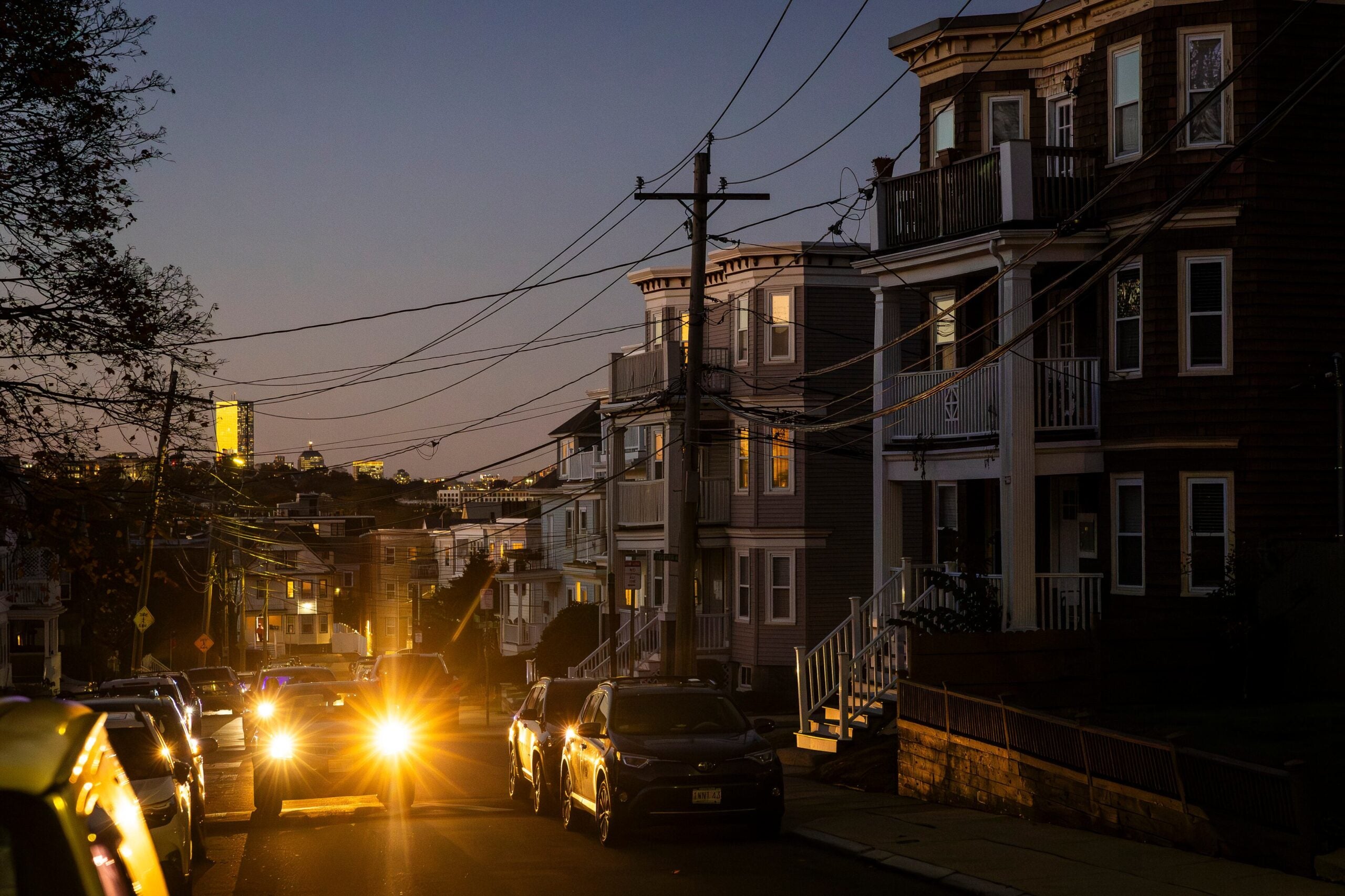
One of Boston’s biggest buying opportunities is one of its most diverse.
“Dorchester is made up of numerous sub-neighborhoods, each with its own identity, character, and sense of community,” said Zechariah Cook, a broker with Douglas Elliman. “With roughly 36,000 housing units, it offers one of the most diverse housing stocks in the city, from single-family homes, condos, multifamily buildings, development parcels, and commercial properties.”
He advises buyers to focus on areas within a 15-minute walk of the Red Line, especially from Savin Hill to Neponset. These pockets offer beaches, parks, local restaurants, grocery options, and quick commutes — all amenities that drive long-term value in a neighborhood that’s continually evolving.
Dorchester also offers more inventory than most Boston neighborhoods.
As of early December, there were 67 multifamily properties, 81 condo units, and 14 single-family homes on the market, Cook said, adding that its higher concentration of distressed properties keeps developers active and gives buyers more entry points. But he cautions against buying purely for appreciation potential.
“Choose a neighborhood where you can genuinely see yourself living, at a price that fits your budget,” Cook said. “If the property appreciates faster than expected, that’s a bonus.”
Buyers willing to nudge over the city border have even more options.
Randolph, Brockton, Stoughton, Weymouth, Quincy, Lynn, Malden, and Revere are also delivering value thanks to infrastructure upgrades and shifting migration patterns, Vieira said.
MetroWest: The search for space and stability
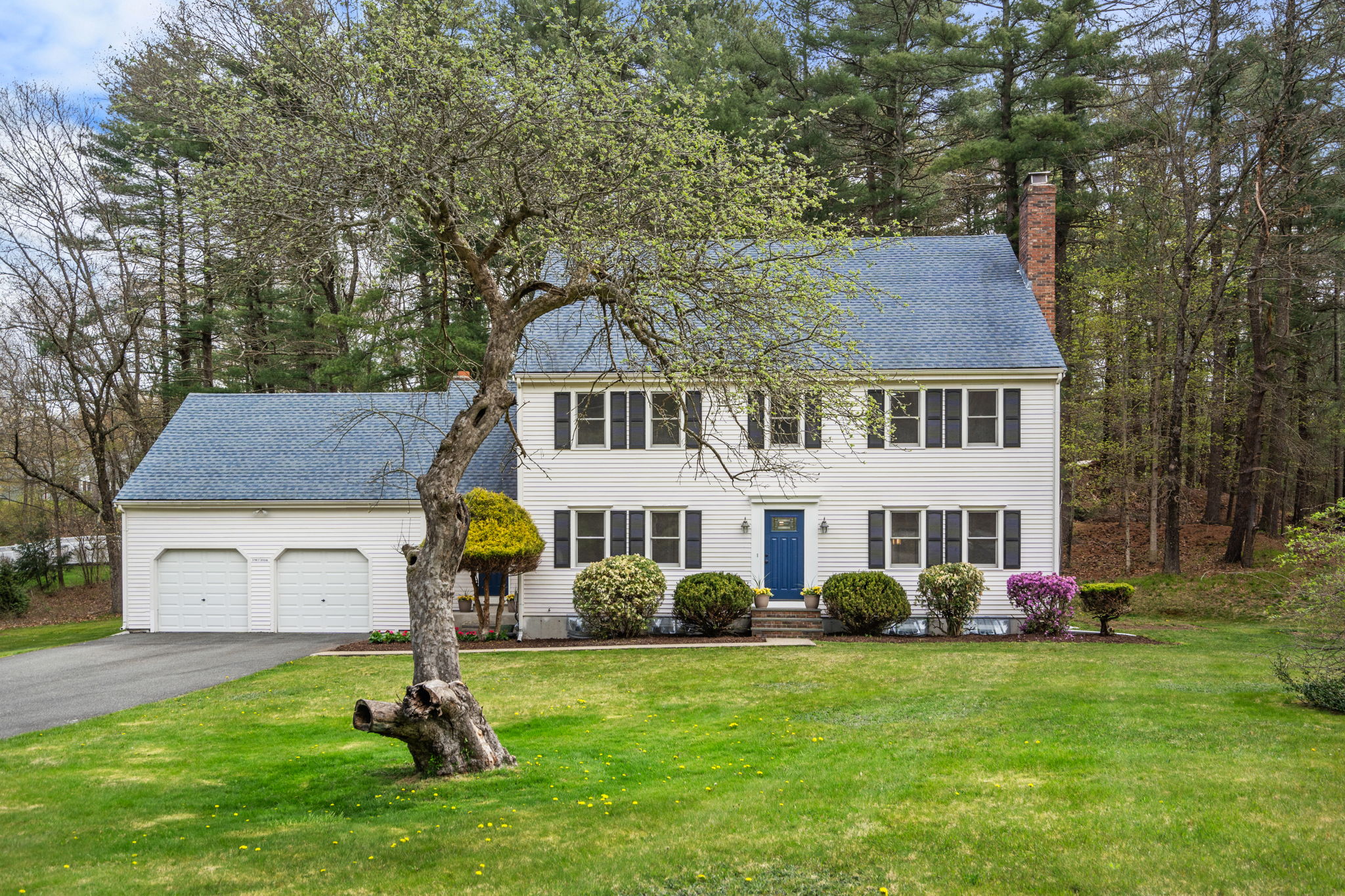
For buyers who want yard space, strong schools, and a suburban pace without giving up Boston access, MetroWest continues to offer solid long-term value, even if prices have climbed since the pandemic.
“MetroWest can get expensive — and for good reason. Proximity to Boston, access to major commuter routes, vibrant downtowns, and an incredible network of parks and trails make these suburbs highly desirable,” said Douglas Elliman real estate salesperson Morgan Guthrie. “That said, there are still places where buyers can get more value for their dollar.”
Buyers are drawn to Sherborn for the generously sized homes, larger lots, privacy, and proximity to Boston. Medfield offers similar appeal, with a walkable downtown and community-driven feel. Parts of Natick, Dedham, and Westwood also stretch buyers’ dollars further while keeping them within a 20 to 35-minute drive of the city.
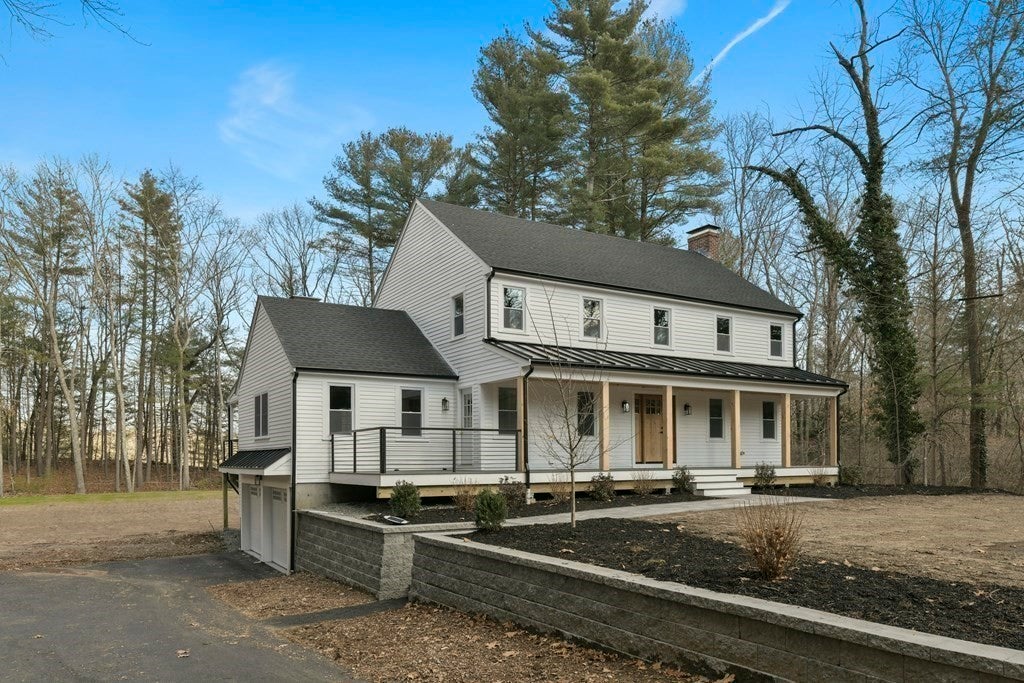
Guthrie calls Dover, Sherborn, and Medfield hidden gems for buyers priced out of inner-ring suburbs like Newton, Wellesley, and Weston. The quality of life is similar, she said, but with more space and slightly less competition.
Inventory in MetroWest remains tight, though there’s been some movement. Listing activity rose this fall, according to Guthrie, but months of supply remain well below balanced-market levels. That means buyers still need to be decisive when the right home appears.
Her biggest piece of advice? Keep your priorities straight.
“When I’m showing homes, I always remind buyers that you can change the house, but you can’t change the location,” Guthrie said. “When buyers focus on the right setting first, they almost always end up with a home that fits both their life and their long-term goals.”
Central and western Massachusetts affordability
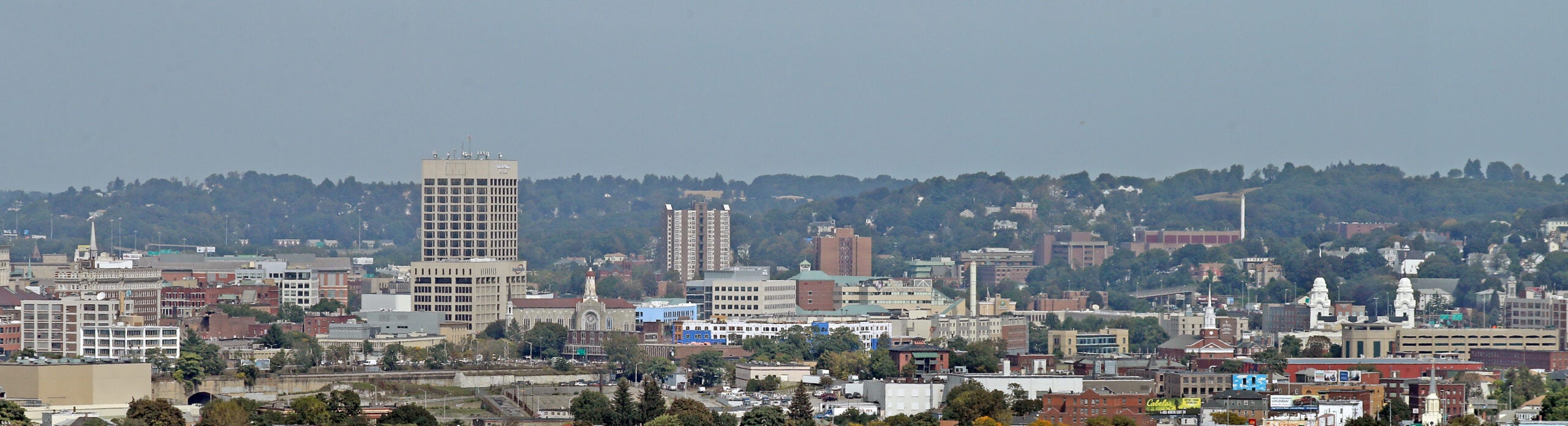
If price relief is the priority, buyers will find the most consistent affordability west of I-495.
“Western Worcester County and Pioneer Valley’s price points continue to be lower than the rest of the state,” said Sarah Gustafson, president of the Massachusetts Association of Realtors.
Worcester’s rail service, new ballpark, and growing restaurant scene are drawing a new wave of buyers. And the South Coast Rail extension is boosting interest in the communities it serves.
Gustafson encourages buyers to keep an open mind when it comes to the second city of Massachusetts.
“When working with buyers, I suggest being open to communities that may not be on their original list, sometimes they will surprise you,” she added. “Inventory is increasing in certain areas, keeping options open when buyers are looking, which can help attract those “hidden gems” that end up being exactly what they’re looking for, just might be in a place they may not have expected initially.”
Across those interviewed for this story, one theme kept surfacing: Buyers in 2026 will still face a competitive market, but they finally have options again. Those options stretch far beyond the familiar ZIP codes.
Stretching further into New England
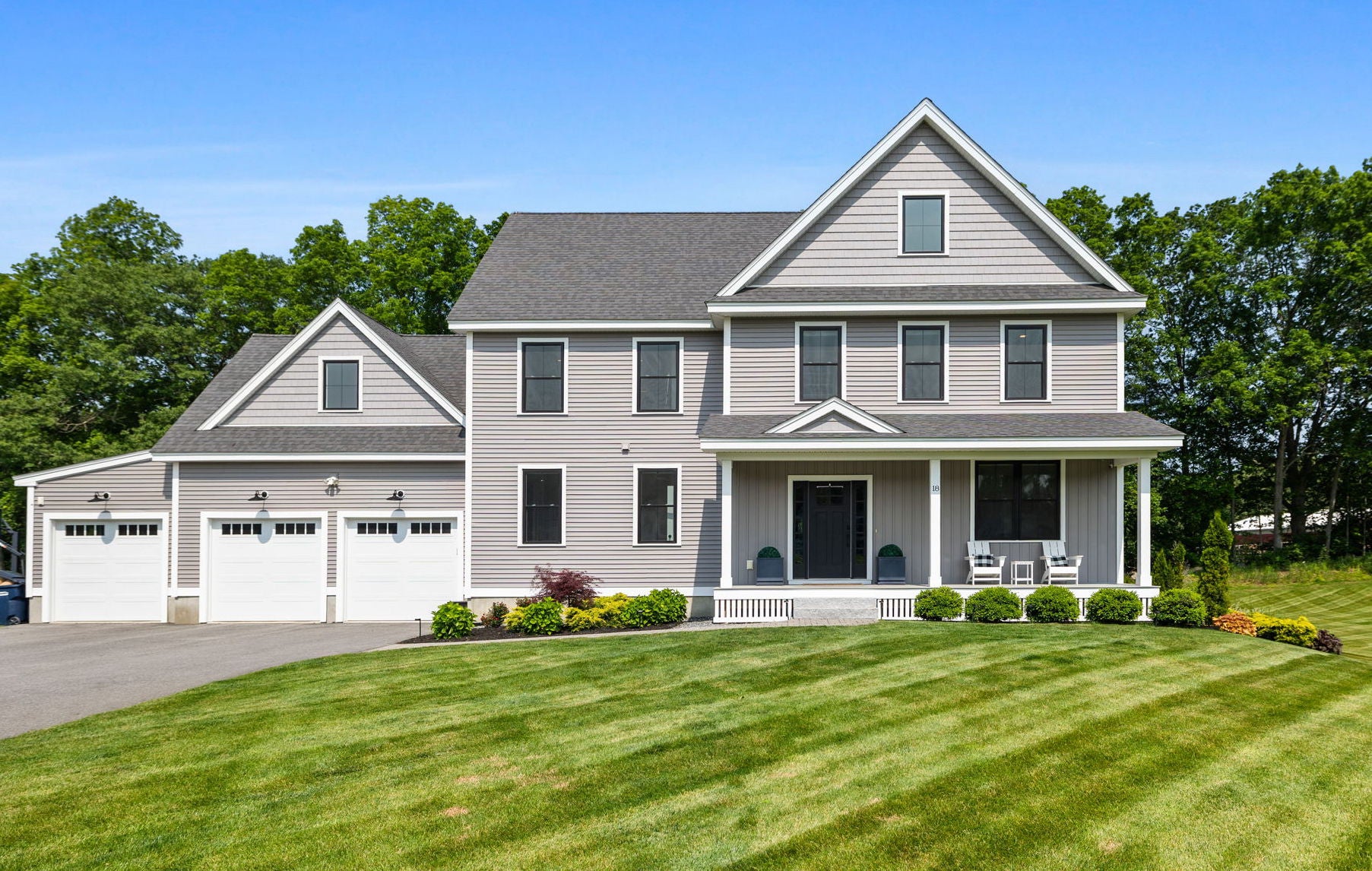
New Hampshire Seacoast
Massachusetts buyers have been drifting north for years, and the trend isn’t slowing. The Seacoast continues to offer a mix of relative affordability, vibrant downtowns, and an increasingly sophisticated development pipeline.
Douglas Elliman agent Jonathan Wells recently sold his first New Hampshire listing for the firm’s Granite State division, which he says is emblematic of how much liquidity remains in the market.
“In New Hampshire, you can still find great deals compared to Greater Boston, especially if you look at the Seacoast,” Wells said.
Dover, Rochester, and Somersworth provide walkability, newer homes, and lower prices while sitting close to Portsmouth and the Massachusetts border.
Exeter is “a real gem, straight out of a storybook setting,” while Rochester is benefiting from spillover demand from pricier coastal towns like Portsmouth, Wells said.
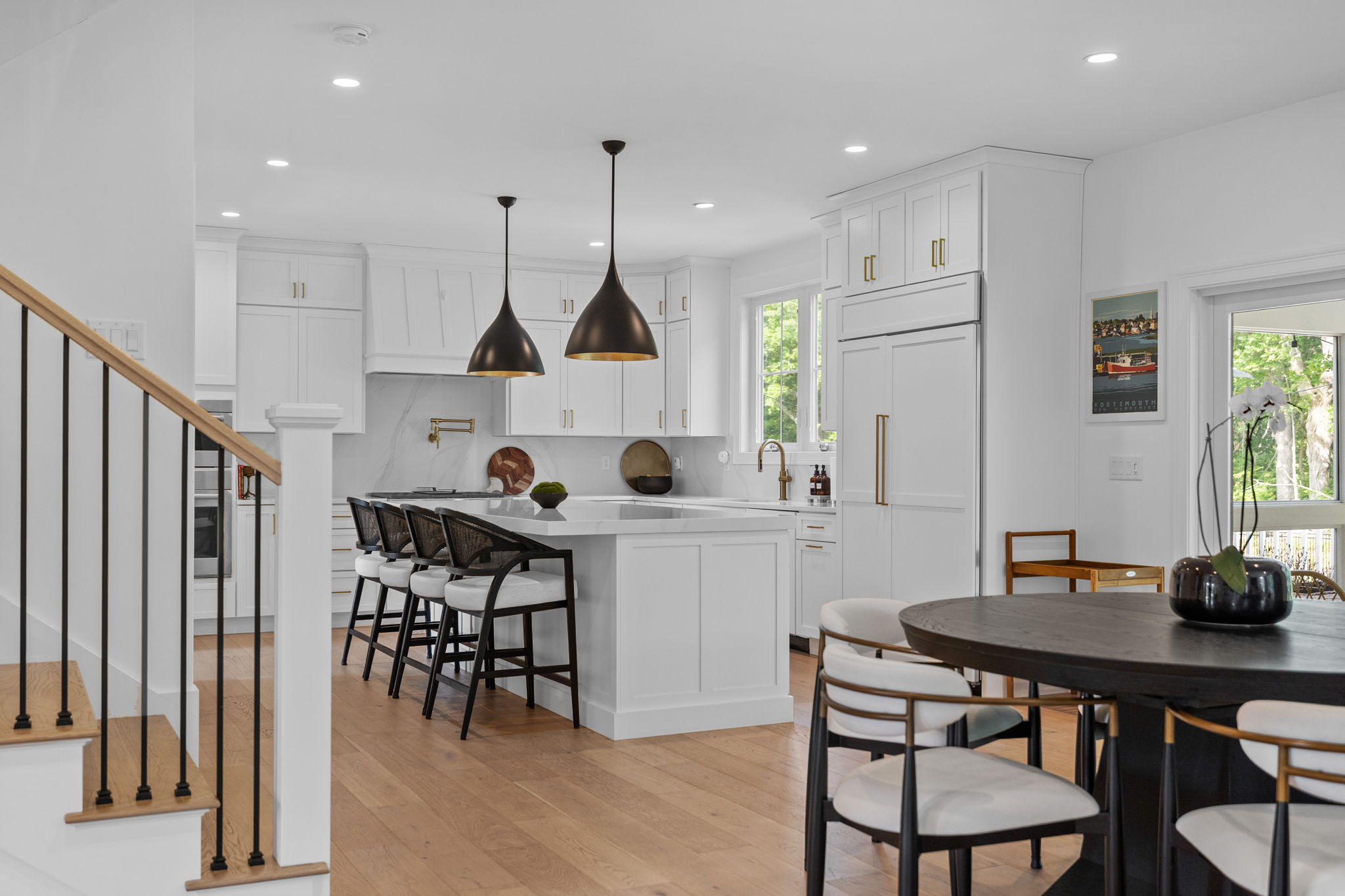
Inventory might be tight along the water, but inland markets like Dover, Greenland, and Stratham offer a healthy mix of new construction and established neighborhoods. Buyers also care deeply about commute logistics, despite New Hampshire’s tax advantages.
“New Hampshire’s lack of income tax is a big draw, especially for buyers moving from Massachusetts, but they still care a lot about commute time to Boston or major employment hubs,” Wells said. “The Seacoast corridor, with access to I-95, Route 16, remains especially attractive for this reason.”
Vermont value
Vermont’s housing market may not be synonymous with affordability, but it continues to draw Greater Boston buyers seeking recreation or a full-scale lifestyle redesign.
Douglas Elliman agent Mia Parsons said Woodstock and Quechee remain two of the state’s most stable markets. Woodstock saw a significant surge during Covid and continues to grow, while the Quechee Club attracts buyers to its four-season amenities and proximity to Boston.
For pure value, though, Parsons directs buyers to towns across Washington County — Barre, Northfield, Berlin — where prices remain well below Vermont’s most competitive hubs. The Northeast Kingdom (Lyndonville, St. Johnsbury, Derby) offers similar affordability, plus strong community infrastructure and ongoing broadband investment.
She also sees rising interest in Vergennes, Addison County, Richmond, Jericho, and towns in Lamoille County that offer the mountain-town lifestyle near Stowe at a fraction of the price.
Inventory is typically deepest in Rutland County, which Parsons calls Vermont’s most consistent source of variety and turnover.
Her reminders for buyers: Recreation access matters as much as price; cell phone and internet reliability is crucial for remote workers; and understanding the realities of rural living (make sure your septic system and snowplow are in working order) prevents surprises later.
Whether the draw is Dorchester’s Red Line radius, Dover’s quiet acreage, Rochester’s up-and-coming downtown, or the Vermont mountains calling for a lifestyle reset, agents say the best opportunities appear where public investment, community momentum, and relative affordability intersect.
If the last few years forced buyers to act quickly and compromise often, 2026 may be the year the market rewards those willing to look one town — or one state — farther than they originally planned.
Address Newsletter
Our weekly digest on buying, selling, and design, with expert advice and insider neighborhood knowledge.

