


National News
Since the arrest of Bryan Kohberger in the murder of four college students, a case that captivated the nation, his family has stayed silent. His sister now describes their pain and confusion.
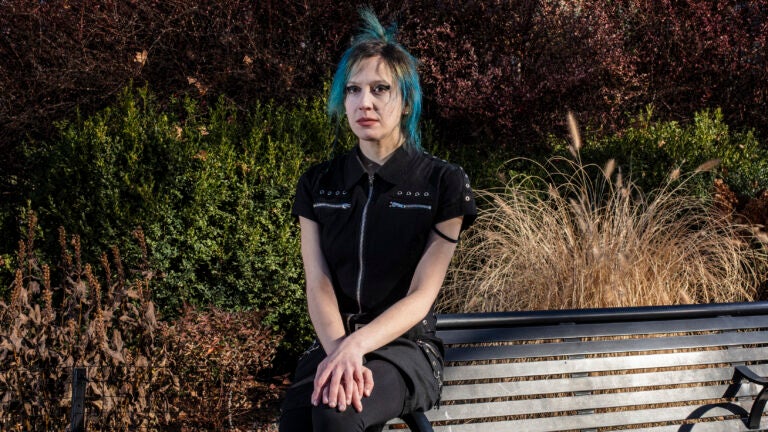
The harrowing news had spread across the country in the fall of 2022: Four college students were found stabbed to death at a house near the University of Idaho campus. Mel Kohberger, who was preparing to start a new job as a mental health therapist in New Jersey, could not help feeling a sense of alarm.
Her brother, Bryan, was living just 15 minutes from the scene of the mysterious killings. Investigators had no suspects. And he was just the type of person who would leave his door unlocked and go out on late-night jogs.
“Bryan, you are running outside and this psycho killer is on the loose,” she remembers telling him. “Be careful.” He thanked her for checking on him and assured her that he would stay safe.
In early December that year, her brother returned to their parents’ home in Pennsylvania for the holidays, and later that month, Mel Kohberger got a call from her sister, Amanda. Law enforcement officers had burst into the house in the middle of the night, and placed Bryan Kohberger in handcuffs.
“She was like, ‘I’m with the FBI. Bryan’s been arrested,’” Mel Kohberger said. “I was like, ‘For what?’”
The response: “The Idaho murders.” For a brief moment, she wondered if it was a prank. Then a sense of nausea overtook her.
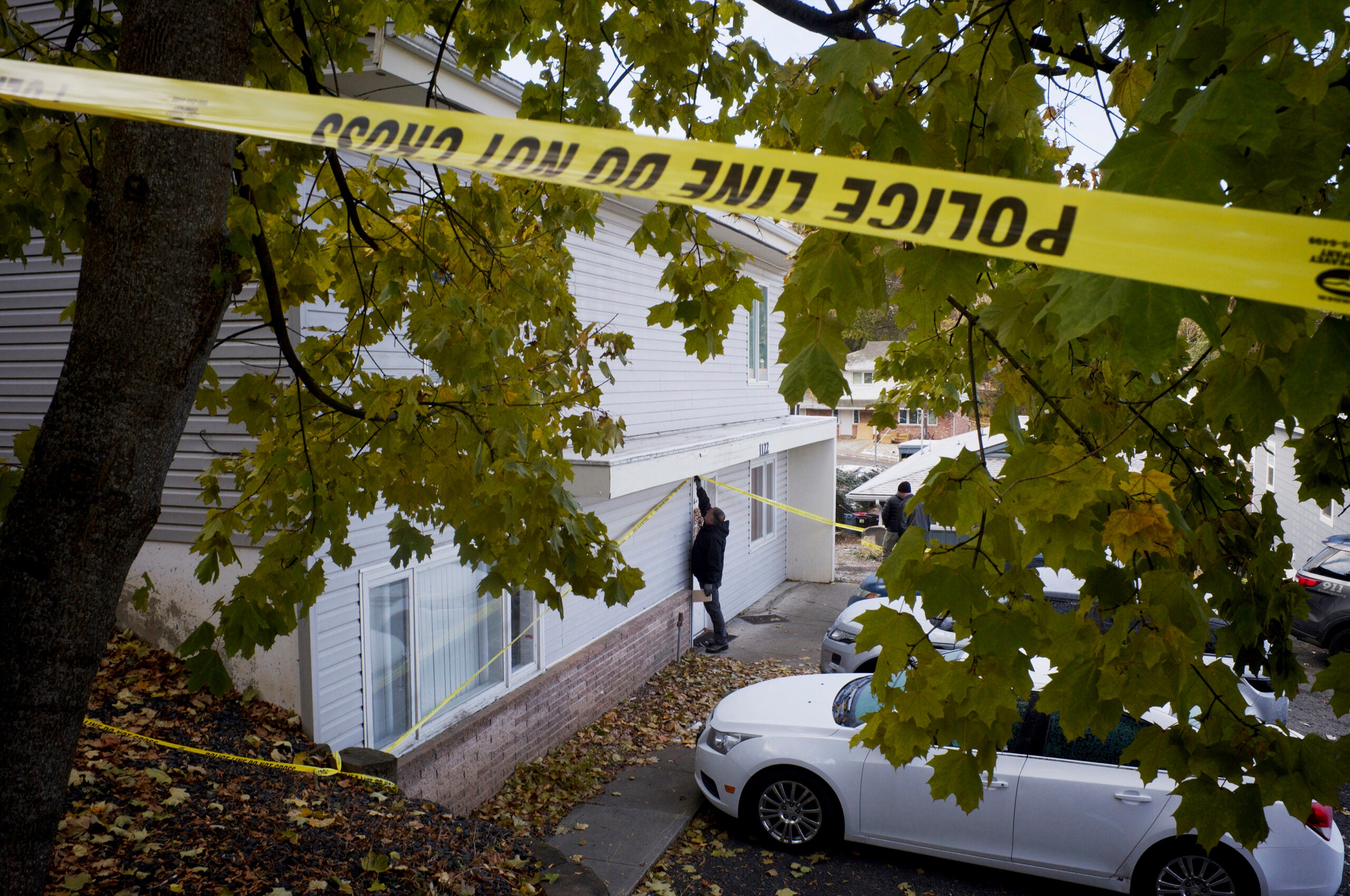
Literally overnight, the mystery of who stabbed four young people to death in an ordinary neighborhood full of college students gave way to a new question: Why Bryan Kohberger, a reclusive but dedicated doctoral student who had been on a path to a career in criminology, may have mounted a silent and brutal attack on four students from another university who had no apparent connection to him. The arrest upended the lives of the Kohberger family.
Tabloids stationed cameras outside their home, snapping images of Mel Kohberger’s father cleaning up the damage from the police raid. Online sleuths scrutinized footage of Amanda acting in a 2011 horror film that had also involved stabbings. Mel Kohberger said she was angered by internet posts from people who speculated whether her family had known all along that Bryan Kohberger was the killer.
“I have always been a person who has spoken up for what was right,” she said. “If I ever had a reason to believe my brother did anything, I would have turned him in.”
For the past three years, the family has kept quiet, avoiding interviews even as Bryan Kohberger pleaded guilty and accepted four life sentences. His parents and siblings wanted to do everything in their power to respect the victims’ families during the legal process, Mel Kohberger said, and even now she expressed fear that she might say something that could further traumatize them. Her family’s challenges, she said several times, cannot compare with what those families have endured.
And while the family still does not want to discuss the crime itself, Mel Kohberger agreed recently to share part of their story, saying she hoped she could bring out the truth about her family and what it has been like to be dragged into the epicenter of a true crime epic.
Family members of high-profile criminals have long struggled to navigate the collateral infamy thrust upon them. The Kohbergers found themselves not just interrogated by detectives but subject to the scrutiny of an assortment of amateur sleuths, part of a true crime fervor that has brought millions of people together in Facebook groups, Reddit forums and YouTube channels.
When her brother was arrested, Mel Kohberger had been training to start a job as a mental health counselor, but her new employer was so flooded with inquiries that she agreed to abandon the position. More recently, a book about the case emerged on Amazon with an author listed as “Melissa J. Kohberger,” suggesting that someone was trying to make money by selling a false version of her story.
“It’s confusing,” she said. “It’s painful. It’s like being victimized but not really being a victim.”
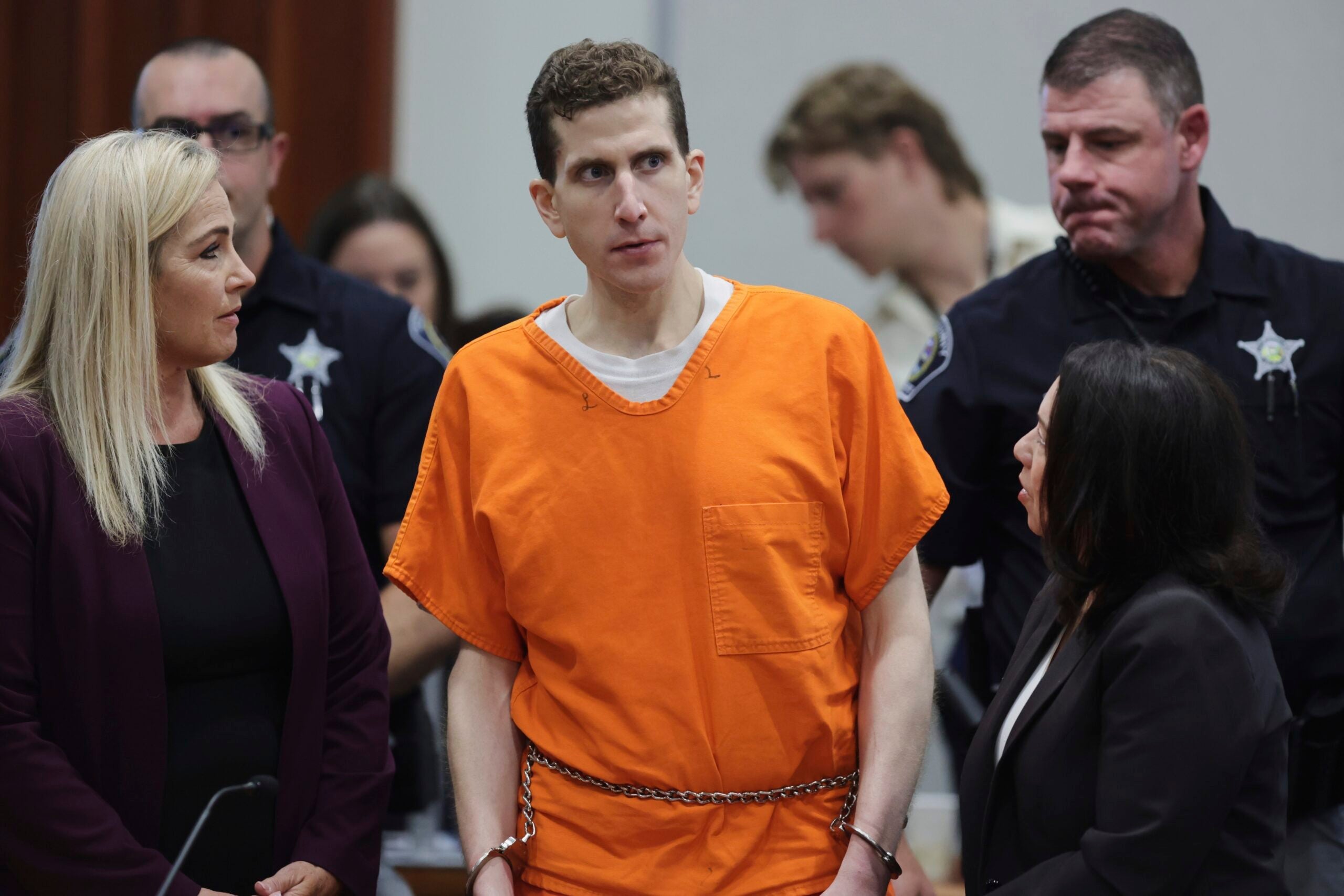
Bryan Kohberger grew up in the Poconos in a home centered on family. With readings of books like “Little House on the Prairie” and lessons rooted in their mother’s Catholic upbringing, Mel Kohberger said she and her brother and sister had been imbued with values of loyalty, self-reliance and putting the needs of others ahead of their own. Some of her fondest childhood memories were the nights when her parents, MaryAnn and Michael, ordered takeout food and woke up the children, laying blankets out on the deck. There, they all looked up at the stars, talking about astronomy and the wonders of the world.
Friends have described how Bryan Kohberger had been overweight as a teenager, and had a standoffish personality — something the family now believes was related to autism. He endured persistent bullying, Mel Kohberger said. He wrote online during those years of having no emotion, little remorse and feeling as if he was “an organic sack of meat with no self worth.” Later, he spiraled into heroin addiction.
When he stole Mel Kohberger’s phone and sold it at a mall to buy more drugs, she said, her parents alerted police. Mel Kohberger said they were all worried that he was on a path to an early death — as ultimately happened with one of his friends.
But after he went through treatment, she said, her brother seemed to be on a better trajectory. She and her brother both shared an interest in crimes and psychology: She was pursuing a career in mental health therapy. He began discussing a career in policing, going on to study psychology at DeSales University in eastern Pennsylvania before getting accepted into a doctoral program in criminology at Washington State University.
“We were all so proud of him because he had overcome so much,” she said.
He was still socially awkward and could be abrasive, she said. They often argued. Still, she said she never saw him be violent. When she once tried to force him out of the house during an argument, he de-escalated the situation by holding back her hands.
That lack of a violent history was one reason the family found it so disorienting to hear that Kohberger was accused of such a barbaric crime.
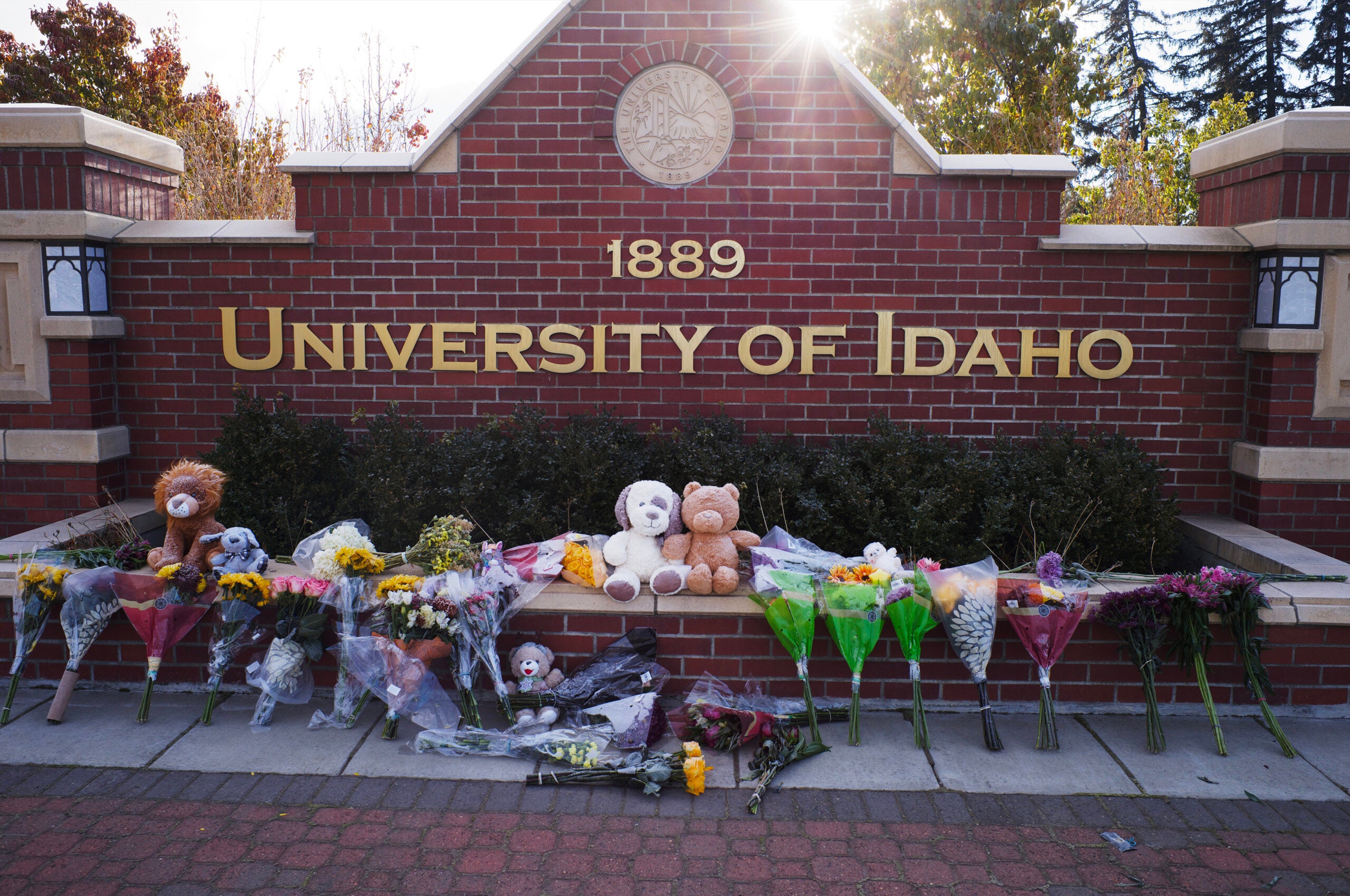
In the days before the raid, the family had gathered for Christmas. Mel Kohberger remembered being thrilled to see her brother back home in Pennsylvania, and hugging him tightly. To accommodate the strict diet he now followed, their mother had made him vegan cookies for the holidays. They played TV party games. One night, as Mel Kohberger was cleaning up in the kitchen, a sharp edge of foil caused her finger to bleed, and her brother, initially expressing disgust at the sight of blood, helped clean the cut and cover it with a bandage.
During those days at home, Mel Kohberger said, she recalls him only briefly mentioning the Idaho murders, saying that investigators were still hunting for the killer.
Investigators, after going weeks without naming a suspect, had turned to the public in early December and requested help finding a white Hyundai Elantra of a model year between 2011 and 2013 that had been seen circling near the victims’ house on the night of the killings. Mel Kohberger, knowing that her brother had driven a white Elantra back from school, said she had briefly wondered if they were looking for the same model, but then learned that his was from a different year — 2015.
Unknown to the family, investigators had pinpointed Bryan Kohberger as a suspect within days of his return to Pennsylvania. They were already surveilling the house.
In the early hours of Dec. 30, 2022, while Bryan Kohberger and his parents were alone in the house, police officers burst in with guns drawn, shattering glass and rushing to place him in handcuffs.
In court, law enforcement officials said that Bryan Kohberger’s DNA was found on a knife sheath that had been left next to two of the victims. Amazon records showed he had purchased the same style of knife. And then there was the white Elantra — investigators determined that the car seen near the murder house matched the model he drove.
Mel Kohberger said her mother has been praying daily for the families of the victims. She herself has put the names of the victims — Madison Mogen, Kaylee Goncalves, Xana Kernodle and Ethan Chapin — and their birthdays into her digital calendar so that she will get reminders about them. During holidays, she said, her family has felt grief that Bryan Kohberger could not be with them, but then she would think of the victims’ families and the pain they must be feeling.
“The idea is making me so emotional that I can barely speak to you about it,” she said in tears.
Steve Goncalves, the father of Kaylee Goncalves, said he had sympathy for Bryan Kohberger’s sisters and the scrutiny they had endured in recent years. But he said he still had lingering questions about what Bryan Kohberger’s parents might have known or suspected.
As the criminal case proceeded, the Kohberger family was troubled by the intense discussion around it. Bryan Kohberger’s emotionless mannerisms, which the family attributed to his autism, became something people treated as evidence of him being a monster. (Research has not established any conclusive causal links between autism and violent crime.) There were reports that he had interacted with some of the victims on social media or had gone to a restaurant where two of them had worked, but investigators later dismissed those claims.
All of the attention, Mel Kohberger said, made it hard to imagine that her brother could ever get a fair trial, and she could see that the wild speculation surrounding the case seemed hurtful to the families and friends of the students who died. Once an avid true crime fan herself, she now looks back on that with regret.
“It’s human nature to be curious about darker things,” she said. “That’s how we keep ourselves safe. But I think we should try and come together for a true crime culture that is way more protective and empathetic to the families of the victims.”
The family has tried to support Bryan Kohberger. Since his arrest, they have held regular calls with him, avoiding discussions about the details of the case. Mel Kohberger said she has kept him posted about life back at home, and he sometimes talks about his latest interests in psychology — the Myers-Briggs personality assessment and the “bicameral mind” theory, in which the two sides of ancient human brains operated independently.
For his birthday, Bryan Kohberger asked his family to make a cake that he thought his sister Amanda would like. He asked Mel to blow out the candles.
Through it all, they have tried to reconcile the son and brother they loved — and still do — with the man depicted by prosecutors and police, the man who pleaded guilty to killing four young people with no apparent motive.
When he entered the guilty plea in July, his parents attended, with his mother sobbing in the front row.
Weeks later, when he was sentenced, Mel Kohberger had hoped to attend, but she stayed home to care for her father, who had developed heart problems. They watched the hearing together on television.
Some of the victims’ family members, given a chance to address the court, unloaded their anger at Bryan Kohberger, who sat largely in blank-faced silence. “You’re definitely a demon from hell,” one family member said through a lawyer. “The truth is, you’re as dumb as they come: stupid, clumsy, slow, sloppy, weak, dirty,” said another. The judge said that he could not discern any redeeming quality in Bryan Kohberger “because his grotesque acts of evil have buried and hidden anything that might have been good or intrinsically human about him.”

Through it all, Bryan Kohberger sat with his hands in his lap, nothing in front of him but a pen and a piece of paper that appeared to have a small drawing on it. On the internet, some of the amateur sleuths watching the proceedings zoomed in to scrutinize the sketch, speculating that it appeared to be a dark heart.
“Bryan Kohberger keeps creepy drawing close during sentencing for quadruple killing,” a tabloid headline declared.
In truth, Mel Kohberger said, it was a heart surrounded by vibrant colors that she herself had drawn for her brother. Even if she could not be there in person, she said, she wanted him to know that he was loved.
This article originally appeared in The New York Times.

