


Local News
The former convicts have received parole as a result of a 2024 court ruling that changed sentencing guidelines for adults under age 21.
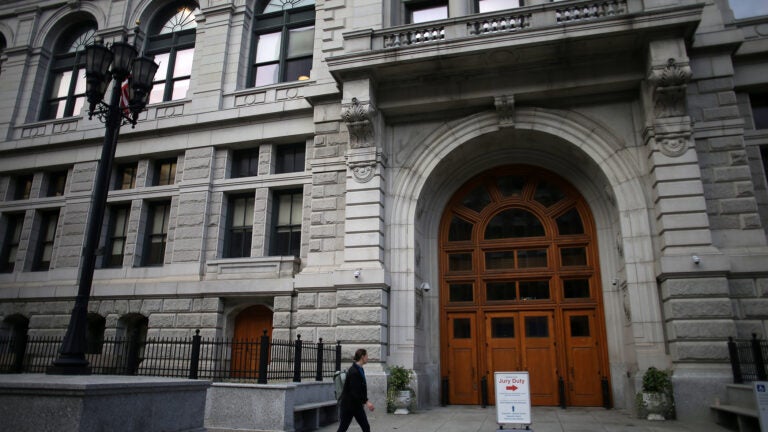
The Massachusetts Parole Board is facing backlash for releasing 39 convicted murderers who recently became eligible for parole after a 2024 court ruling.
In January 2024, the Supreme Judicial Court decided that adults who were convicted of crimes while they were under the age of 21 cannot be sentenced to life in prison without parole. Prior to the ruling, Massachusetts was one of only 10 states that required first-degree murderers aged 18 through 20 to receive this sentence.
The court justices cited scientific and legal evidence in their decision, including that adults under 21 cannot carry a firearm, buy alcohol, or become a police officer. They also considered 17 amicus briefs from neurologists with research showing that the brains of emerging adults are not fully developed.
At the time of the decision, the Suffolk County District Attorney’s Office identified approximately 70 inmates who would become eligible to apply for parole. Since then, the state parole board has approved the release of 39 individuals who were convicted either of first-degree murder or accessory to murder on the grounds that they were emerging adults when they were sentenced, according to the Boston Herald.
“These complex cases require careful deliberation to protect public safety, ensure the voices of victims and survivors are heard, and evaluate an incarcerated individual’s rehabilitation and readiness for supervised release,” a Massachusetts Parole Board spokesperson said in a statement obtained by the Herald. “Guided by legal standards, established criteria, and best practices, the Board makes decisions that reflect accountability, rehabilitation, and public safety.”
The board denied parole to 12 inmates who applied after the ruling, and it has 159 more decisions to make, as more than 200 people are eligible statewide, the Herald reported. However, the high release rate so far has been met with disapproval from local district attorneys.
“The blanket granting of parole without any significant recognition or consideration of the suffering of the victims is at best ill-considered,” Plymouth District Attorney Timothy Cruz said in a statement obtained by the Herald. “At worst, it disregards the part of the parole statute that not only requires for a prisoner not to violate the law, but in addition, that release should not be granted if ‘not compatible with the welfare of society.’”
Bristol County District Attorney Thomas Quinn III similarly expressed concern that the release of these convicts can have “a traumatic impact” on the victims’ families. He also reiterated in a statement obtained by the Herald that the ruling does not guarantee parole but rather makes it a possible outcome.
“My concern is that the Parole Board may view this change in the law as a right to parole for these defendants,” Quinn said in a statement to the Herald. “Public safety and confidence in the judicial system, especially for victims’ families, requires a very strict and unbiased analysis of their suitability for parole given the gravity of the crime, which often involves brutal and premeditated murders.”
Sign up for the Today newsletter
Get everything you need to know to start your day, delivered right to your inbox every morning.

