


Real Estate
A massive mixed-use tower, with 166 high-end condominiums, is altering the skyline while improving one of the city’s transit centers.
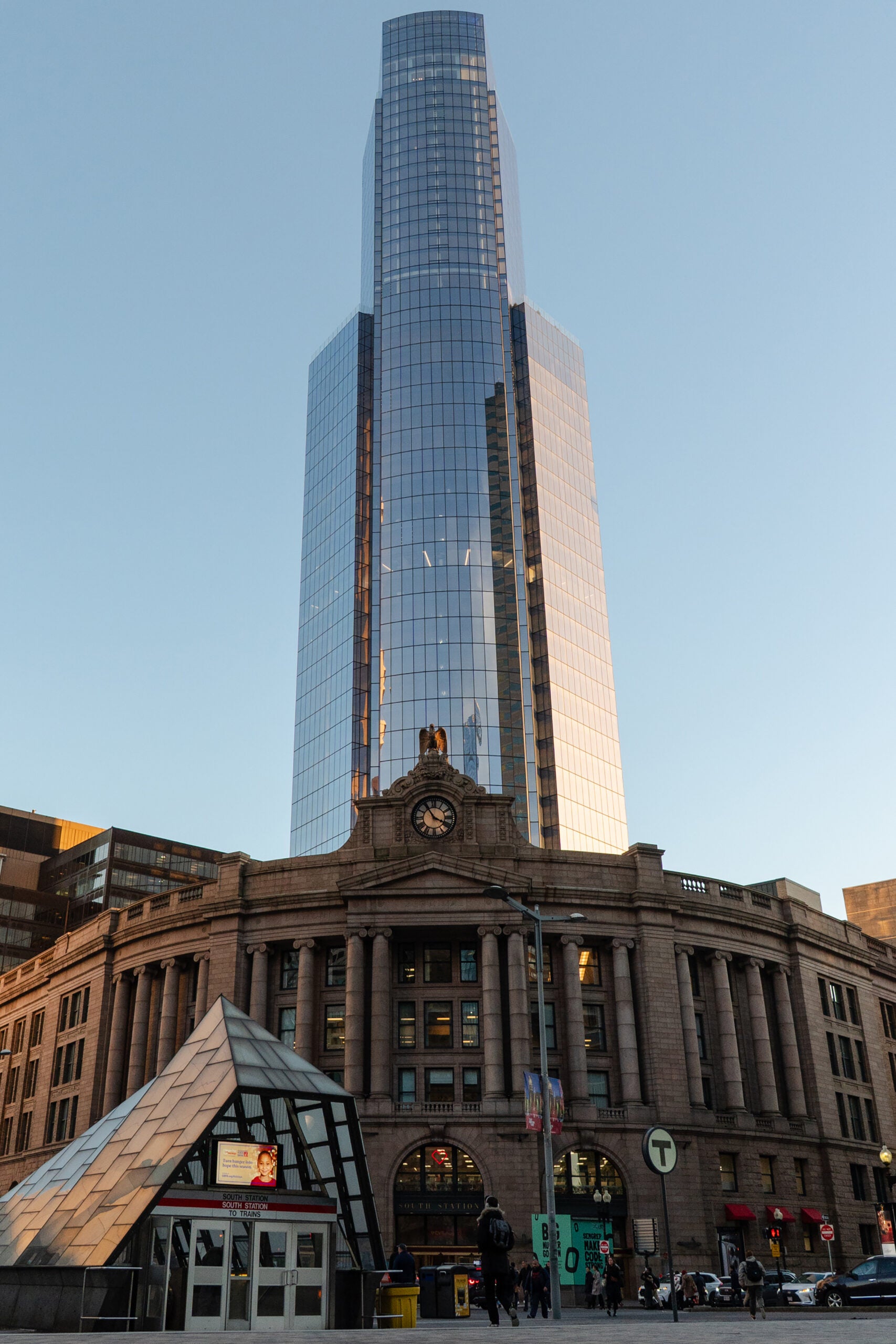
BOSTON — Plopping a new, modern building atop a cherished, historic one is not a novel concept. In New York, the Hearst Tower rises out of a six-story Art Deco building from 1928. The Antwerp Port House, designed by architect Zaha Hadid, delicately balances a glass structure above a fire station.
And using air rights to develop skyscrapers over transit hubs to fund their improvements is nothing new, either. The MetLife Building, formerly known as the Pan Am Building, pioneered this concept in the early 1960s in New York. Developers have also built over rail yards and transit centers in San Francisco, Denver and again in New York, more recently, with Hudson Yards.
But erecting Boston’s South Station Tower, a 690-foot, 51-story mixed-use skyscraper on top of one of the busiest transit hubs in the northeastern United States without disrupting its tens of thousands of daily commuters required an exceptional degree of engineering and coordination. The developers needed to work with Amtrak; the Massachusetts Bay Transportation Authority, which owns the 126-year-old station; Keolis, which operates the commuter rail; and the Federal Aviation Administration. They had to navigate 13 active, surface-level rail tracks and create office and residential spaces that wouldn’t feel as if they sat directly above a major transit hub.

And the project broke ground two months before the pandemic.
“This is a really complicated project,” said Steve Luthman, the global head of real estate at Hines, the developer and owner of the project. “Anytime you build over trains, it’s incredibly challenging because you can’t disrupt that vital infrastructure, but also you’ve got so many people that are there every single day.” Construction often took place in the middle of the night, when there were fewer commuters.
The tower was completed in the fall, but it was nearly three decades in the making. Tufts University planned on building a medical research facility above the station, bringing on Hines as a development partner in 1997. In 2006, Tufts and Hines filed a new master plan, which replaced the medical tower concept with a mixed-use building.
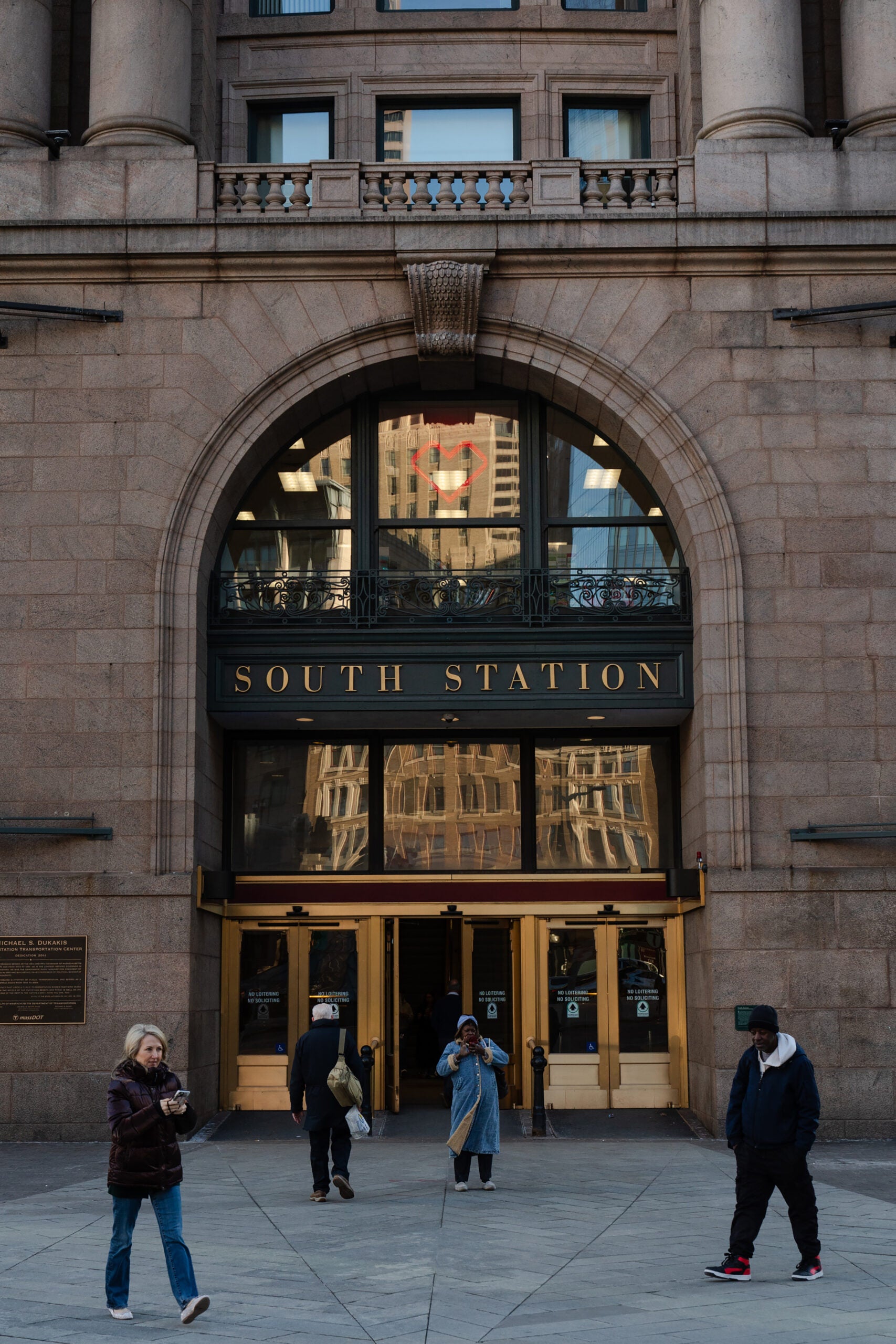
Tufts pulled out of the venture in 2009, after the 2008 financial crisis, and Hines became the main developer, negotiating the details of the project for the next decade. Luthman said the years of delays enabled the project to “keep getting better and better,” helping the team settle on a structural design. Hines purchased the air rights from the city of Boston’s planning and development agency in 2019.
The new tower is not affixed to the historic railroad terminal and is instead supported by eight columns — an idea devised by Graham Banks and the architects at Pelli Clarke & Partners. The building is cantilevered over South Station, which means that it hangs over the original structure. The concrete core of the building also does not touch the ground and runs up the building, said Richard Pielli, a project executive at Suffolk Construction.

“If you go through the office floors, you’ll see a couple large diagonal columns coming down, which brings the loads from the exterior of the building down into the center of the concrete core,” Pielli said. “And then, that’s transferred back out to the super columns.”
Now, those columns are the centerpiece of a breezy new arrival space, where passengers can easily disembark off the train onto a new concourse, shortening the walk from the train to the station. Other changes include an expanded bus terminal, and the tracks and platforms are now covered.
Downtown Boston is already a tight squeeze, so the solution was to keep going up.
“When you’re in an old city, finding space is always the most critical thing because there aren’t any open lots,” said Banks, a partner. “This is it, and you just go up and up.”
The building is mixed-use, with office spaces spanning roughly 680,000 square feet.
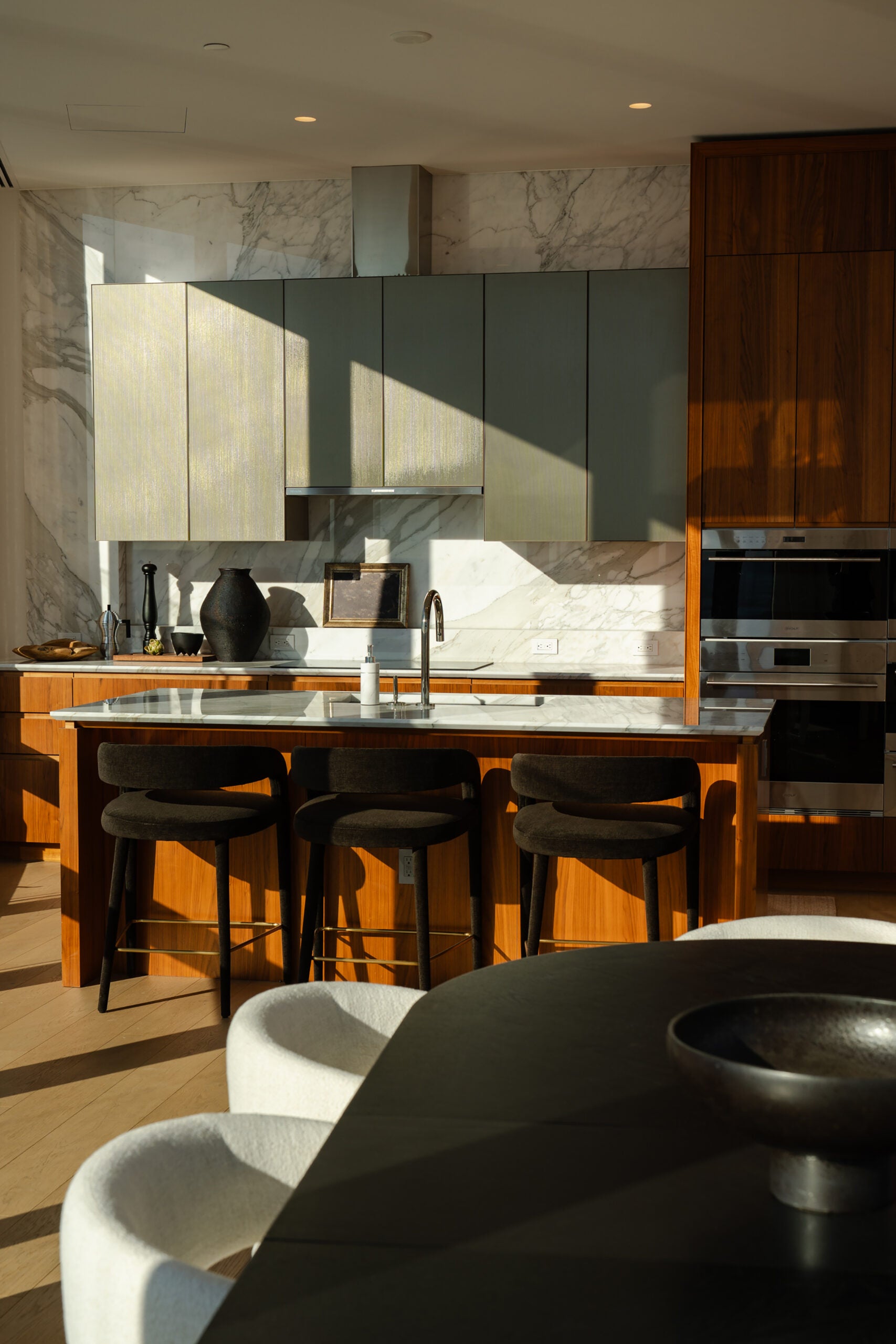
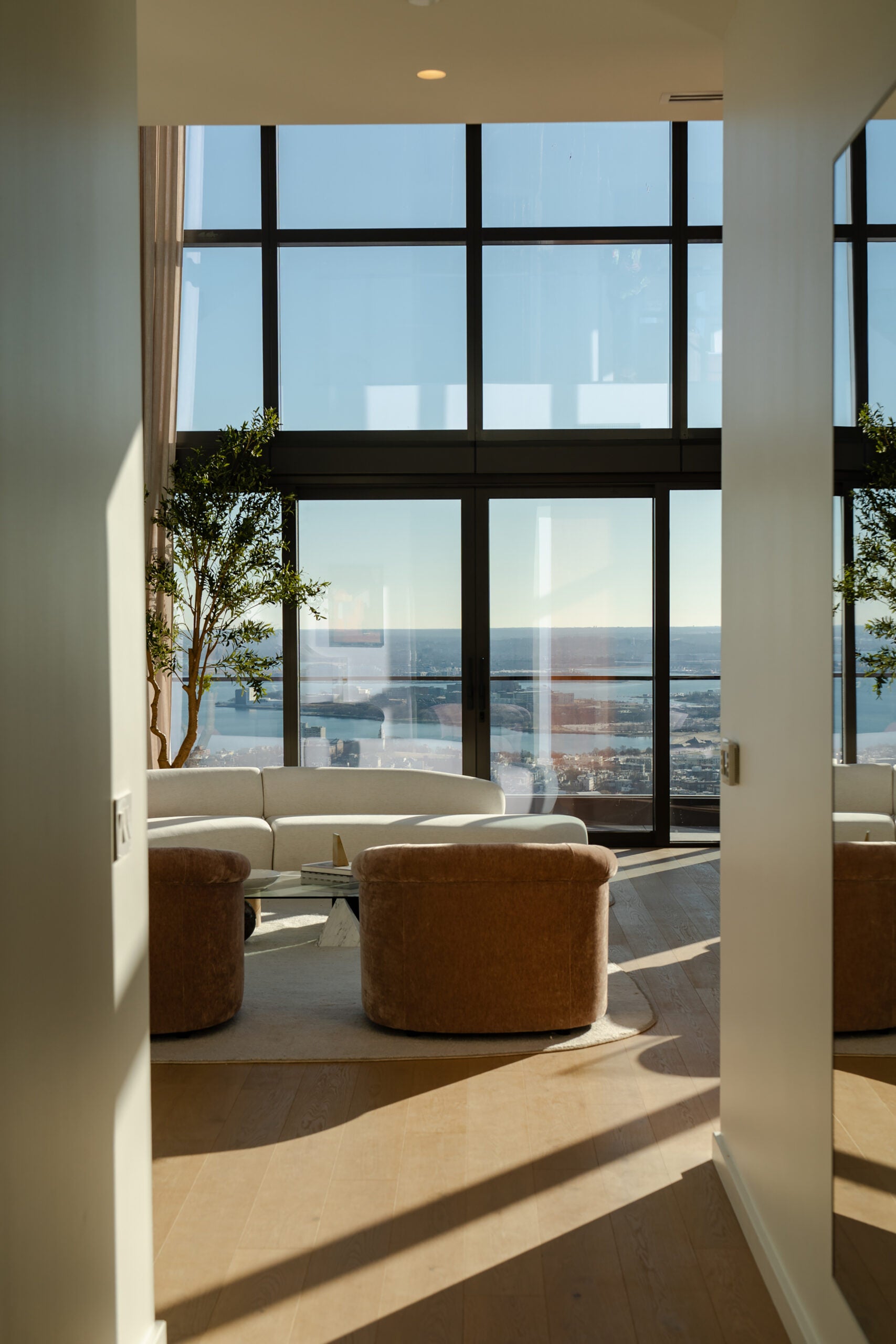
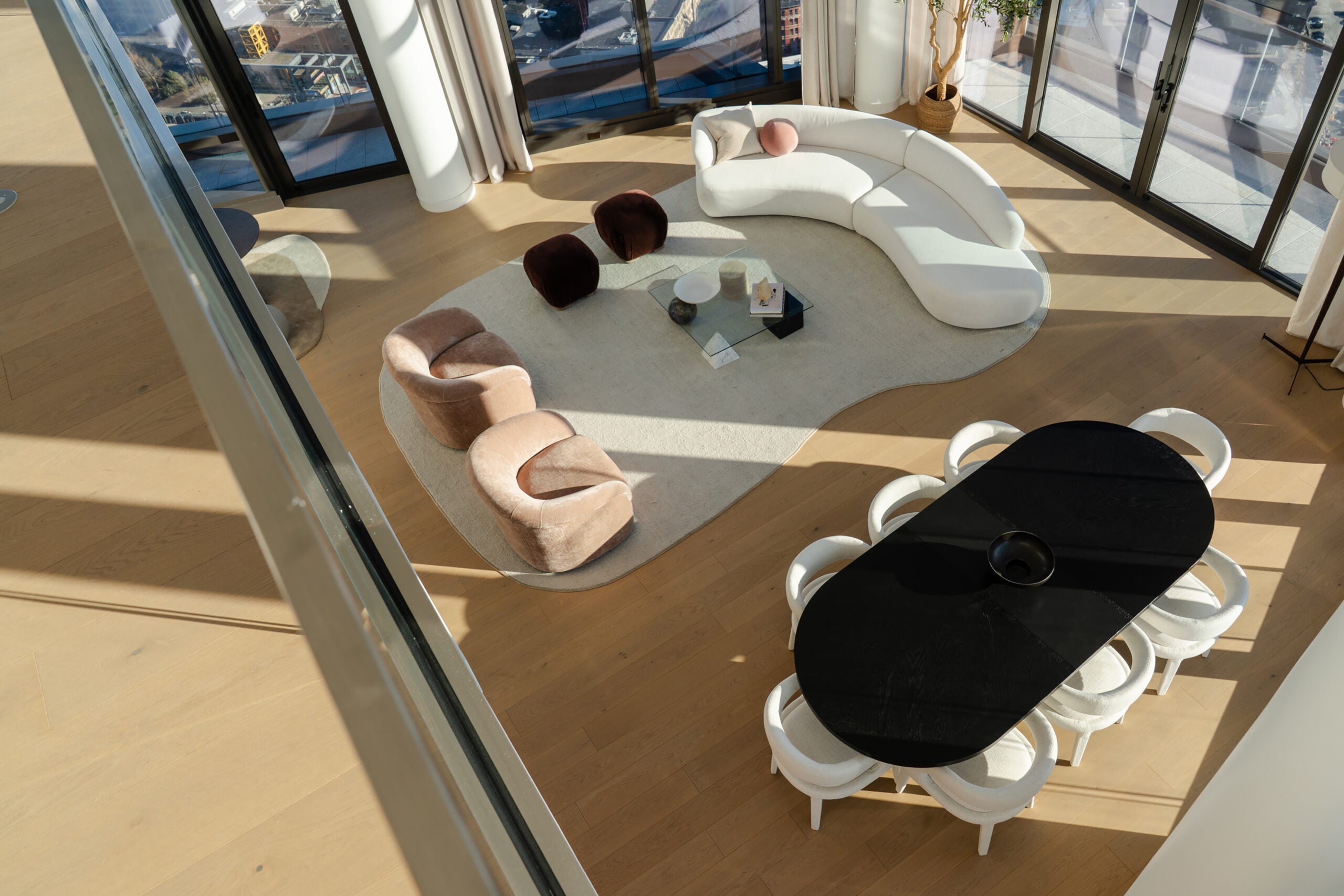
The Ritz Carlton-branded residences start on the 36th floor and include 166 homes in total, ranging from one to three bedrooms, priced between $1.3 and $14 million. Closings are expected to start in January.
Living above a train station might not sound enticing, but the team has tried to make it so tenants won’t notice. To access the lobby, residents walk along a path with a view of a nearly one acre “sky park,” on the 11th floor, an effort to create a stark separation between home and the streets below.
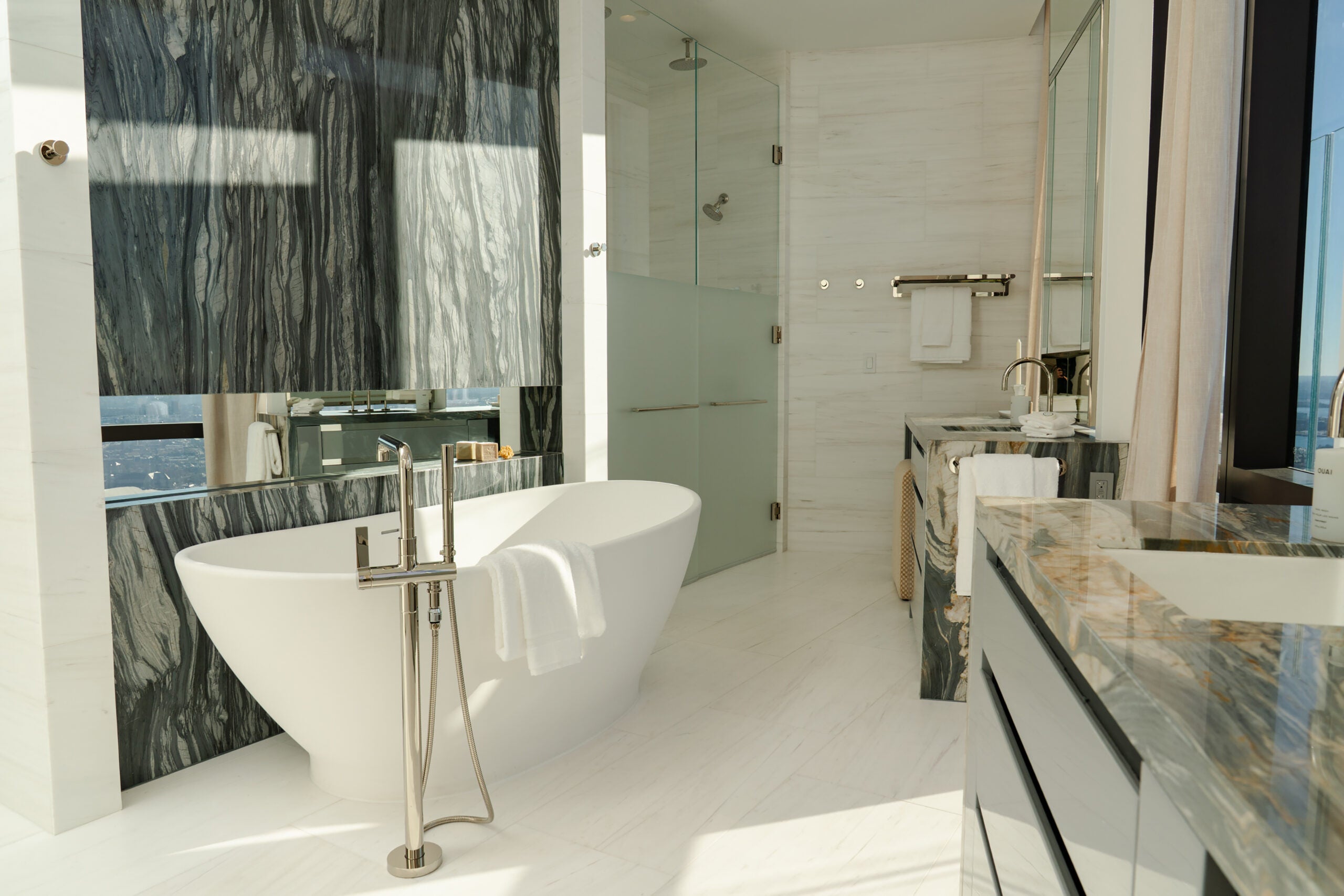
“We were really trying to create an oasis,” said Tim Rooney, a partner at Jeffrey Beers International, which oversaw the interior design. “We looked at many influences, from the local culture to the history of Boston, the architectural style, and especially the consideration of this location being over a busy transportation hub.”
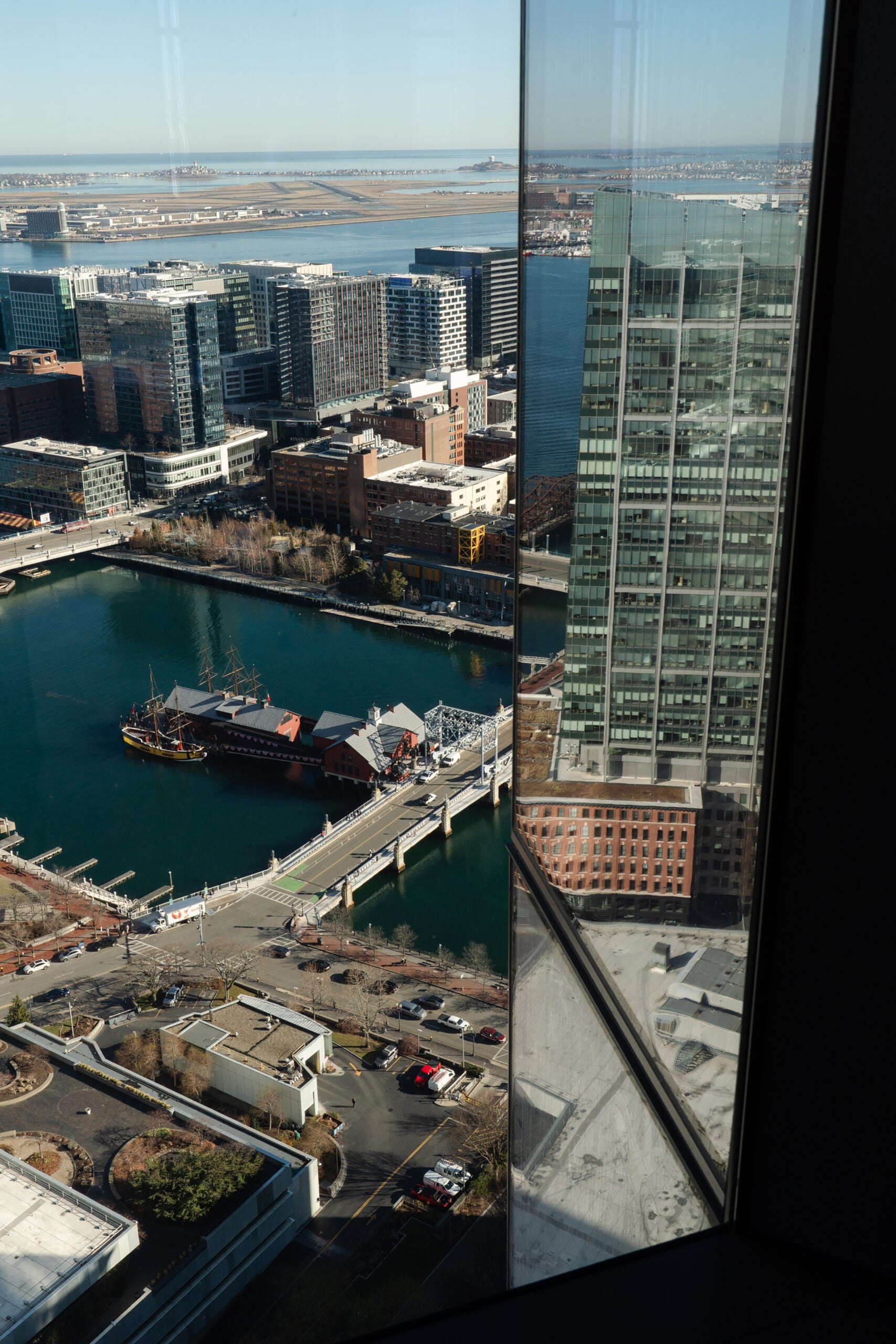
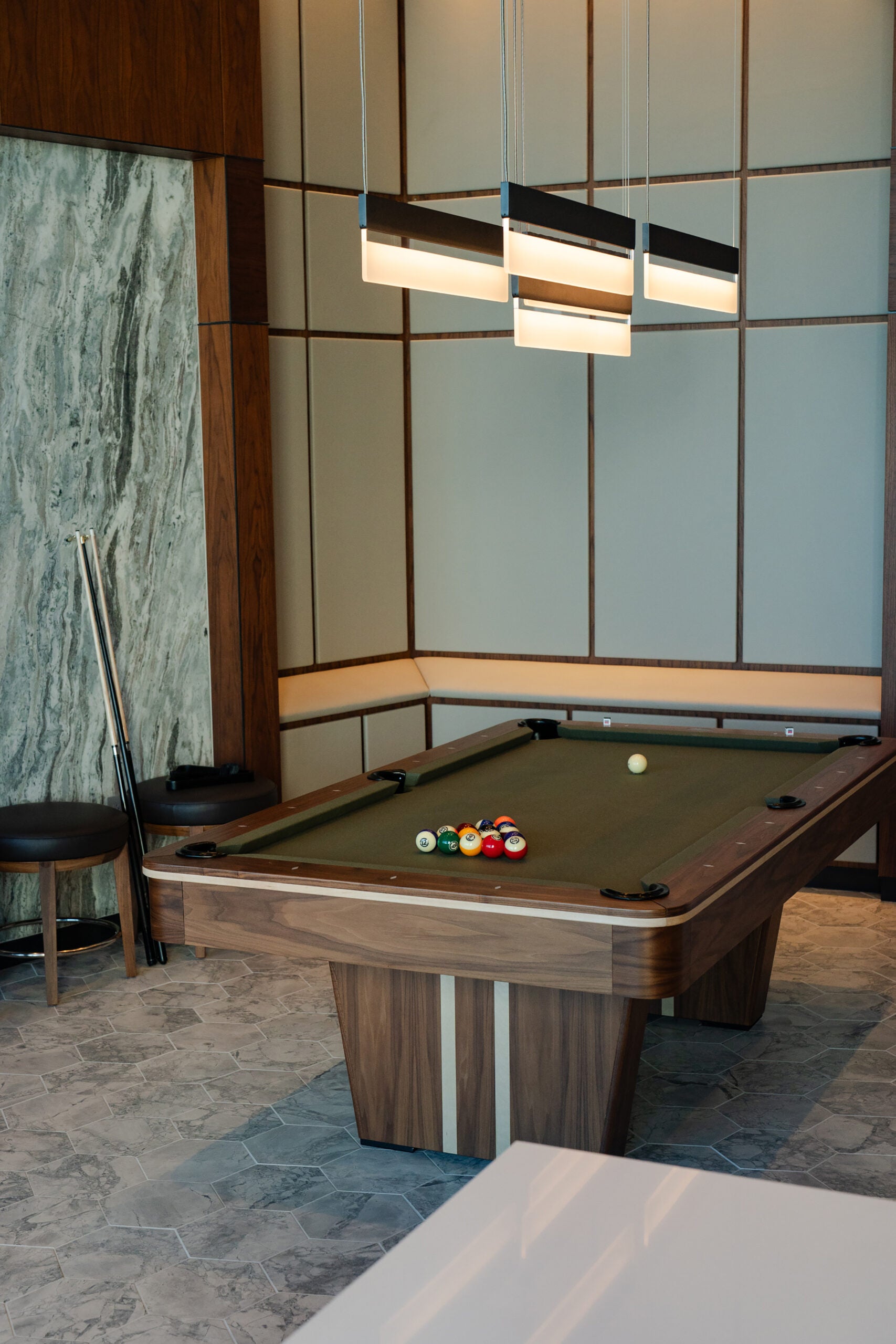
Amenities include a spa, gym, library and a heated outdoor pool on the 36th floor, plus three restaurants for office tenants and residents on lower floors. Views from the higher floors include the Boston Tea Party Ships & Museum, the Massachusetts State House and the Seaport District. Some residents can watch planes taking off from Logan Airport from their windows.

While the building might look surreal at first glance — a sleek, glass tower rising out of a neoclassical revival building on the National Register of Historic Places — the team hopes that it will be a positive addition to Boston’s skyline.
“This is a chess piece on the board in Boston,” Luthman said. “We do view this as a marker that indicates the evolving aspirations of Boston to continue to adapt and to continue to improve and to continue to evolve. And that’s what great cities do.”
This article originally appeared in The New York Times.
Address Newsletter
Our weekly digest on buying, selling, and design, with expert advice and insider neighborhood knowledge.

