


Home Buying
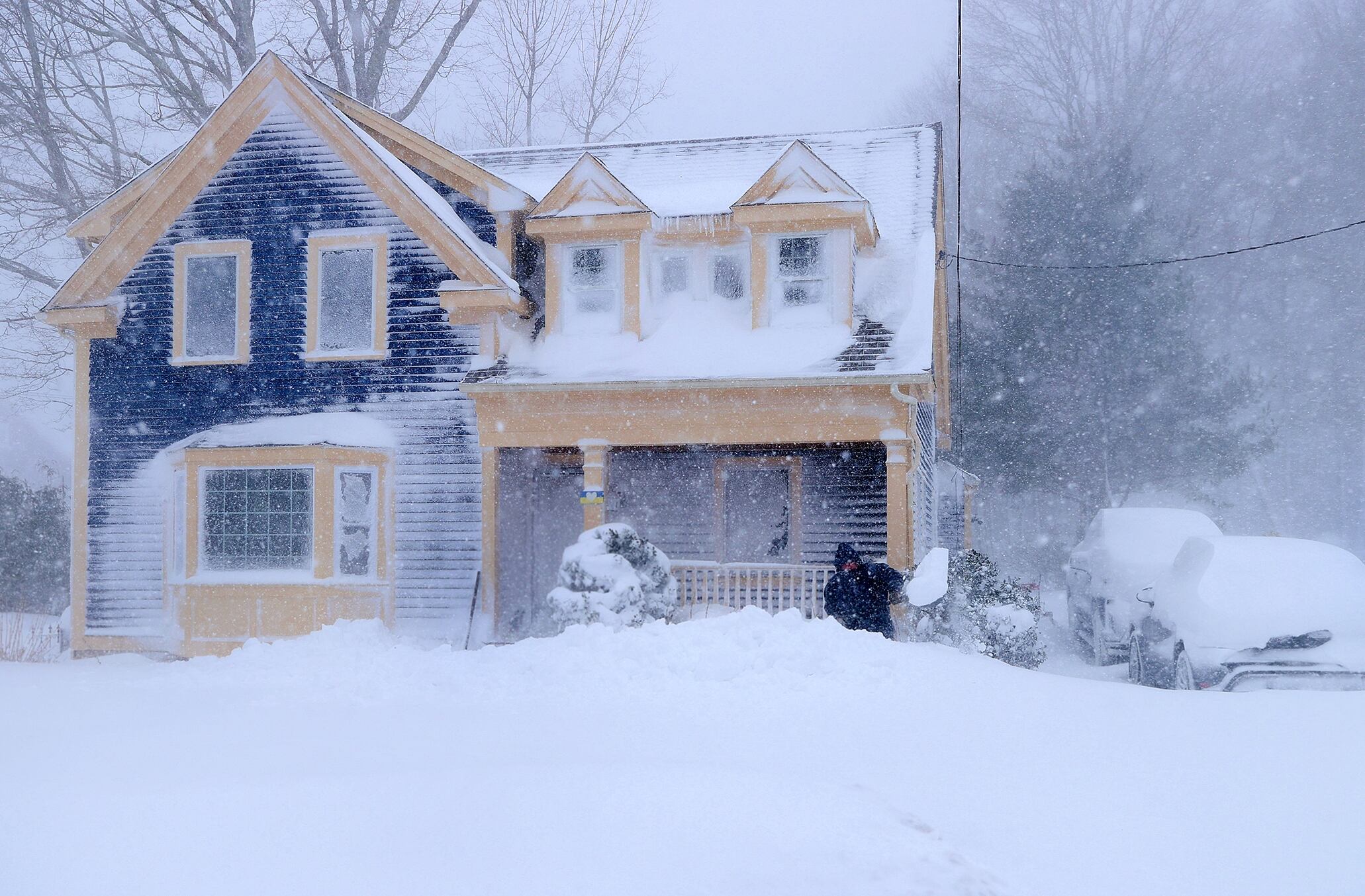
“Boston’s climate plays a big role in why home maintenance costs run above the national average,” said Morgan Olsen, a home expert at Thumbtack.

If you’re just starting the home-buying process, you’re likely focusing on the purchase price and how much you can afford. You might not be thinking right now about the home inspection, legal fees, title insurance, closing costs, association payments, and ongoing repairs and maintenance, all of which can add tens of thousands of dollars to the cost of buying and owning a home.
Finance experts warn that these so-called hidden costs can, for those who haven’t properly planned, mean the difference between comfortably owning a home and being house-poor.
“We educate our buyers upfront, and we talk about all of the hidden soft transaction costs,” said Chuck Silverston, a real estate agent with Gibson Sotheby’s International Realty in Brookline.
To minimize surprises, Silverston walks clients through all the costs they may encounter. He also encourages them to loop in their financial adviser to review the total costs of homeownership.
Insurance and maintenance
An analysis released by Zillow and Thumbtack in November 2025 found that the hidden costs of homeownership now add up to $15,979 per year nationwide – or $21,320 in Greater Boston. Those costs include property taxes, homeowner’s insurance, and maintenance, which average $7,004, $2,245, and $12,071, respectively, in Boston.
“Boston’s climate plays a big role in why home maintenance costs run above the national average,” said Morgan Olsen, a home expert at Thumbtack. “Homes here face a full range of extreme weather. This accelerates wear and tear on heating systems and outdoor spaces, and it also increases the frequency and scope of maintenance needed to keep systems running efficiently.”
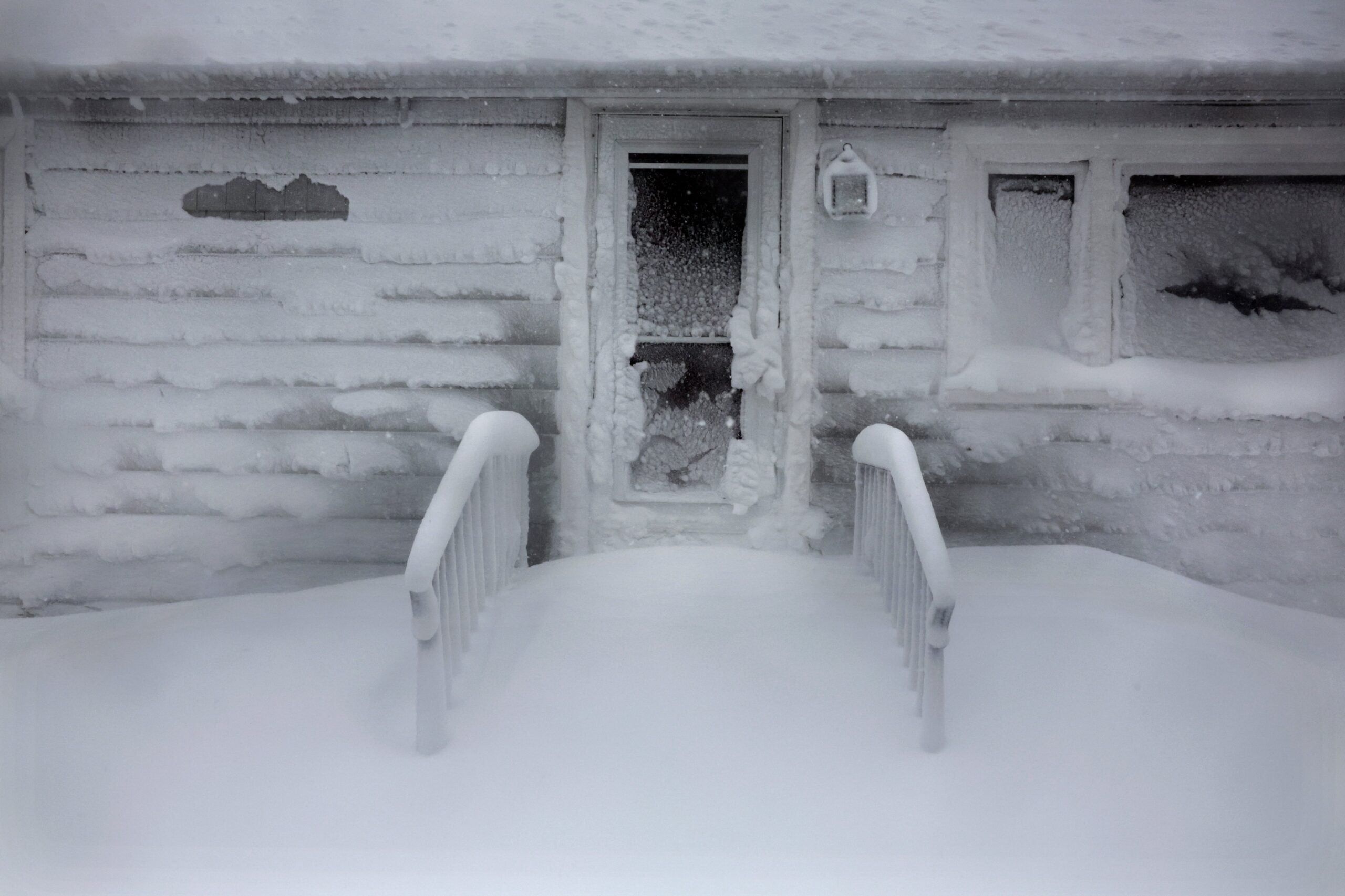
Want to keep maintenance costs down? Focus on preventive maintenance, Olsen said — things like heating system tune-ups, sealing drafts, and staying on top of small repairs, which prevents more expensive fixes later.
Debby Belt, a real estate agent with Hammond Residential in Boston, added that a home inspection “will teach you how to maintain your home and help you avoid higher, unexpected expenses, especially now in the middle of winter in Boston.”
Condo assessments
Another cost often unexpected by buyers: homeowners and condominium association assessments. According to a January 2026 report by Realtor.com, nearly 44 percent of homes are now subject to a monthly HOA fee, up from 34.3 percent in 2019. The median fee reached $135 in 2025, but what many home buyers don’t realize is that they are liable not only for the monthly fee, but also potentially for special assessments should the association need funds. In addition, many associations require new owners to post several months of fees as a capital contribution at closing. “So, it’s not just about the monthly fee you have to pay in that case,” said Elaine Dolley, an agent with Douglas Elliman in Back Bay. “It may be multiple months of condominium fees upfront as a new member of the association.”
Dolley said that new condo owners are also often surprised by move-in fees, not only for large complexes but also for brownstones. That fee — typically $300 to $500 — covers the cost of shutting down one of the elevators and padding it to protect it against damage, she said.
Overlap period
One cost that Silverston said his clients often don’t expect is what he calls the “overlap period,” during which some buyers must pay rent and a mortgage payment at the same time. In December 2025, he represented the buyer of a three-bedroom Colonial in Sharon. The buyers had a lease and hadn’t considered that they would be liable for both rent and their mortgage until they could break it. Silverston advised them how to negotiate with the landlord for an early lease termination to minimize those duplicate living expenses.
Closing costs
Of course, if you need a mortgage, that’s going to come with fees as well, from an appraisal to title insurance, prepaid interest, and escrows. According to Rocket Mortgage, closing costs typically range from 3 percent to 6 percent of your loan amount. The good news is that buyers receive advance notice of these fees via two disclosure documents required by federal law: a Loan Estimate, which estimates the costs buyers have to pay and is given within three business days of the mortgage application; and a Closing Disclosure, which contains the final fees and is provided at least three business days prior to closing.
“You used to hear stories about people not getting their closing costs until sometimes the day of closing,” said Patti Lotane, a mortgage loan officer with Cape Cod 5 in Chatham. “Now, by the time buyers get to the closing, they have seen everything. It’s a better customer experience.”

Experts say the best way to avoid surprises during the home purchase process, or after, is to educate yourself. Read every document that comes your way, from the purchase agreement to the loan documentation and disclosures from the homeowners or condominium association.
“The better educated you are, the more prepared you’ll be for the hidden costs,” said Belt.

Address Newsletter
Our weekly digest on buying, selling, and design, with expert advice and insider neighborhood knowledge.
